As lithium-ion battery prices tumble, and electric vehicle sales soar, we should ask where all those batteries will come from. After all, most of their minerals come from beyond North American shores, and the known supply is not infinitely elastic. Battery recycling demand is ramping up as we discover we must reuse what we have. However this comes at a cost, and our pockets are not bottomless either.
Our Lifestyle is Driving Battery Recycling Demand
We are victims of our own consumer appetite. We use some kind of battery every day. Our phones depend on lithium-ion batteries. We could not crank our vehicles into life without lead-acid starters. Even our computers could not come to life without their BIOS button batteries. And as for renewable energy, there could be none without batteries
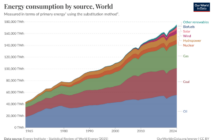
Price is always a compromise between supply and demand. We purchase less fruit out of season, when prices are high. Conversely, we splurge out at harvest time when they tumble. Take a careful look at this graph. Relatively low prices are driving lithium demand higher. There is no doubt about that, although we can expect an uptick in battery recycling demand too.

National Renewable Energy Laboratory Calls for Change
U.S. National Renewable Energy Laboratory emphasizes the importance of securing reliable, resilient supply chains. For without these, they reason, how could we assure the clean energy transition. The summer of 2023 taught that global warming is upon us. How would we cope if our battery material imports were cut off?
Surely, the only way must be to use what we have sensibly and responsibly. This means using available resources efficiently, and accepting battery recycling demand for what it is, good common sense. With smart planning, we should be able to reuse battery materials many times over. This makes good long-term commercial sense, whether or not we accept the phenomenon of global warming.
More Information
Solid State Battery Technology Potential
Sulfur Selenium Battery Breakthrough at NASA