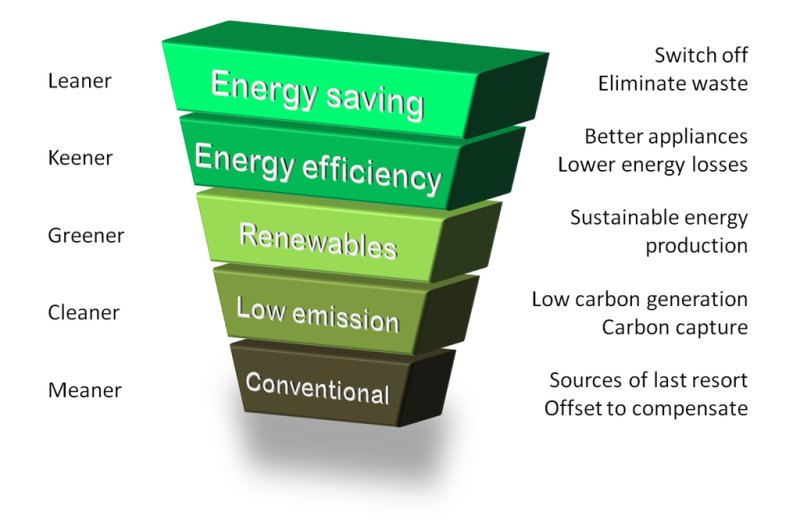
Amory Lovins supports the more efficient use of energy, as opposed to producing more of the same. He makes a valid point when he narrows the debate down to one simple question. Should we have more and better batteries, or more efficient energy generation he asks? If we choose the latter option then we automatically shrink our carbon footprint.
Better Energy Versus More Efficient Batteries
The writer, physicist, and former chair of Rocky Mountain Institute believes our world faces a simple dilemma. Should we continue producing more renewable energy requiring more batteries, he challenges. Or make more productive use of our existing energy supplies?
“Oh, for example,” he told Yale Environment 360 in an interview. “In the United States we could save at least half the oil and gas and three-quarters of the electricity we use. And that efficiency investment would cost only about an eighth of what we’re paying for those forms of energy now.
“The world’s biggest untapped energy source,” he explains, “is efficiency. But don’t call it conservation,” he insists. “Efficiency means doing more and better with less energy and money, by using more brains and technology.” We begin to understand what he means about shifting from better batteries to more efficient consumption.
Then we realize that interview took place on November 24, 2008. But we have hardly scratched the surface of his ideas since then.
Fast Forward to Our Current Year 2023
Global warming was not such an urgent issue 15 years ago (although it should have been, of course). Amory Lovins was thinking more about making fossil fuel generation more efficient, as opposed to replacing it completely. He believed we could speed the process with “massive refits”, and achieve significant gains in the process.
Nowadays we are more aware of the other side of the equation. This is using more energy-efficient devices that could work in tandem with Amory Lovins’ 2008 ideas. Those concepts could soften the financial impact as we phase in renewables. However, our end goal should be less energy, better batteries, and more efficient consumption.