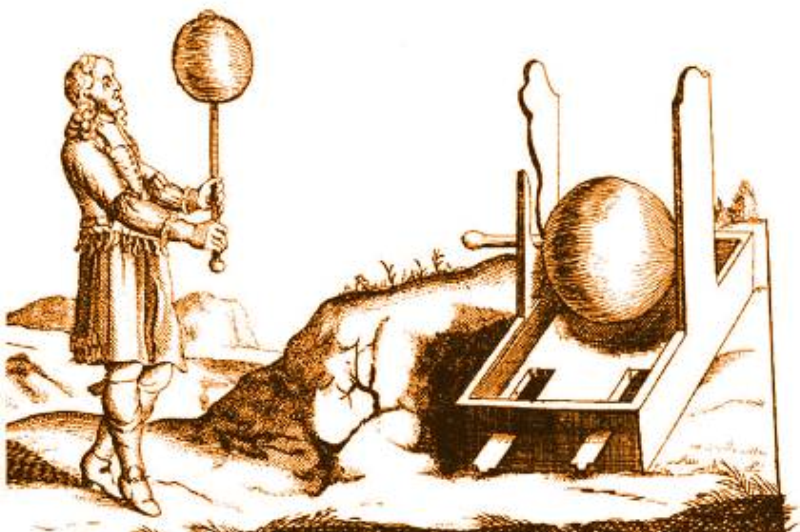
Early research was a hit-and-miss affair, with pioneers doing their work on kitchen tables, and their desks. They knew that both lightening and static electricity existed, but just how they worked were mysteries. Otto von Guericke made a start to understanding them, when he generated static electricity in 1860. However, the birth of the battery itself only began in 1745.
Ewald Georg von Kleist and the Birth of the Leyden Jar
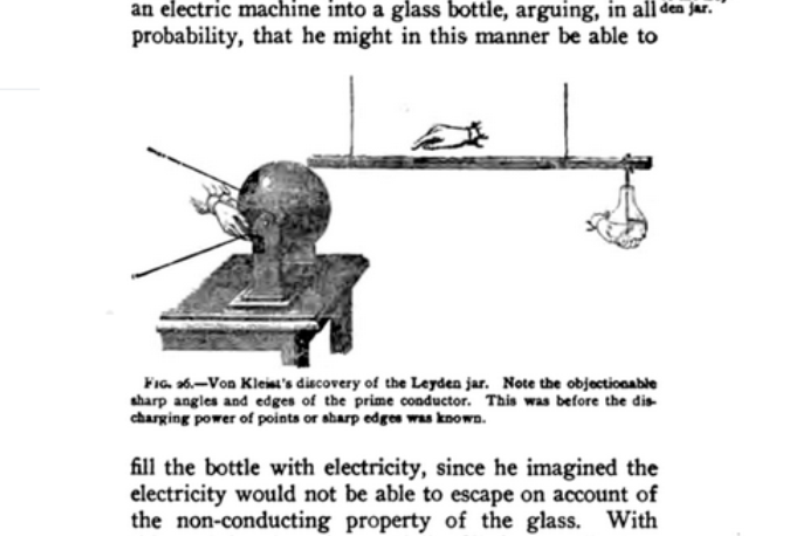
Ewald Georg von Kleist was experimenting with static electricity in 1845. He wondered if he could store the energy by putting it in a bottle half full of water, that he lined with metallic foil inside and out. He imagined the electricity would not escape, because the leyden jar glass was not a conductor.
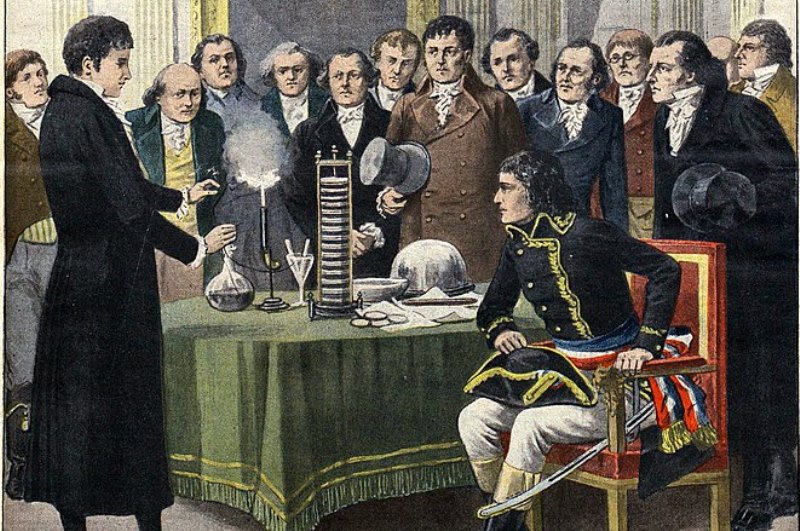
Alessandro Volta – And the Real Birth of the Battery
Alessandro Volta gave birth to the battery in 1899, after experimenting with static electricity. He discovered that alternating discs of zinc and copper produced electricity, after he separated them with cardboard soaked in brine. He may not have realized it, but he was producing direct current!
Michael Faraday Generates Electricity Directly
This article is about the birth of the battery, but you need meaningful quantities of electricity for it to be useful. Michael Faraday generated direct electric current in 1831, by rotating a copper disc in a strong magnetic field. The alternator was born, but there was more to follow.
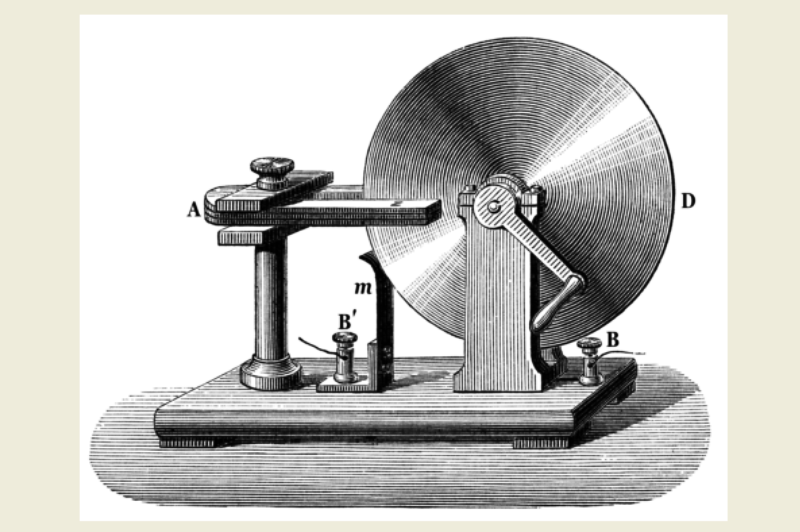
However, there was not much use for Faraday’s alternator at the time, because electrical gadgets still had to catch up. And so people converted the energy to direct current by adding a commutator to the generator. Competition arose to distribute the electricity to users. Which was better, do you think – direct or alternating current?
More Information