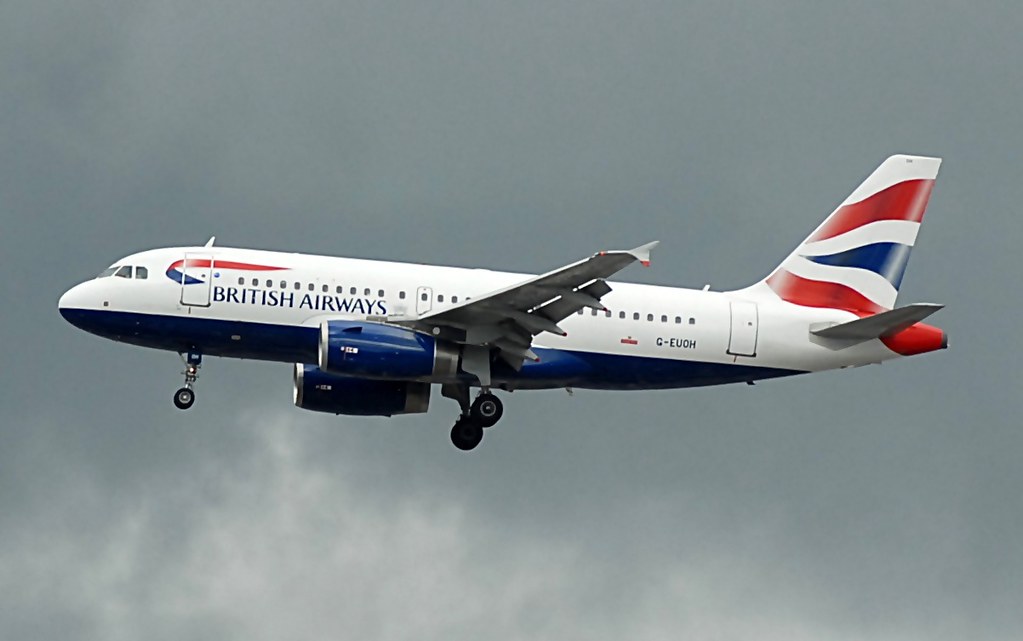
We had no idea about this practice until the news broke. Although we have seen reports suggesting some airplane makers and airlines are taking the profit motive too far. This is partly our fault of course. Which one of us has not hunted for cheap tickets on the internet? We examine British Airways fuel tankering policy in this context.
Why is British Airways Fuel Tankering?
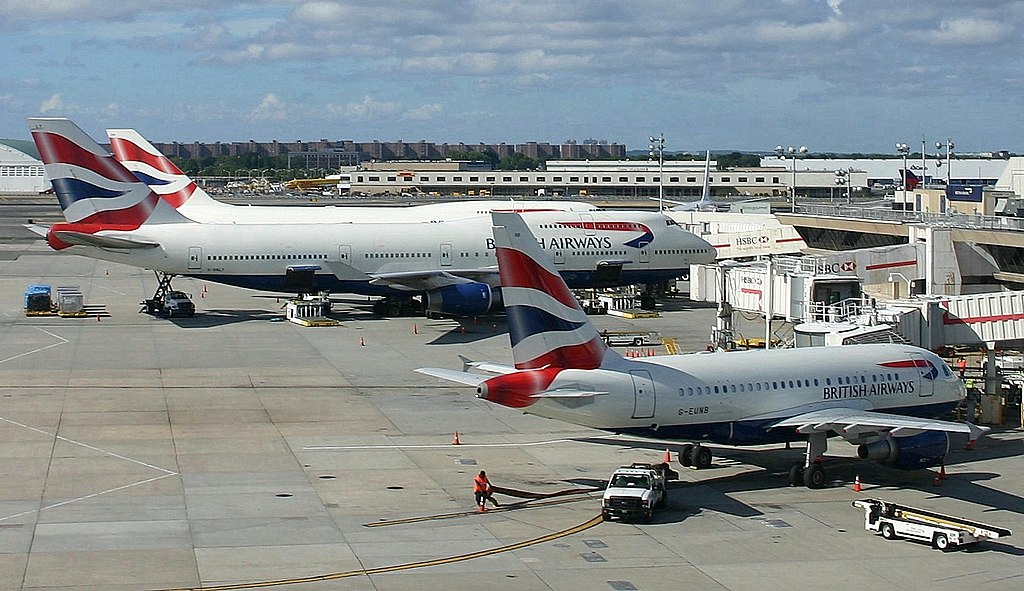
The reason to us, is obvious. We have placed huge consumer pressure by demanding cheaper seats and more perks. Aircraft fuel is a huge cost factor in aviation. Just like us, they top up at the cheapest pump.
British Airways fuel tankering – many other airlines do it too – involves topping up long-haul fuel tanks for short flights. They do this where the fuel is cheapest, and this is often in their home country. The result is a heavier plane using more fuel and causing more emissions. However, airlines say they also do it in case they need to divert to another destination. It also allows faster turnarounds at airports.
What’s the Big Deal: And Why the Fuss?
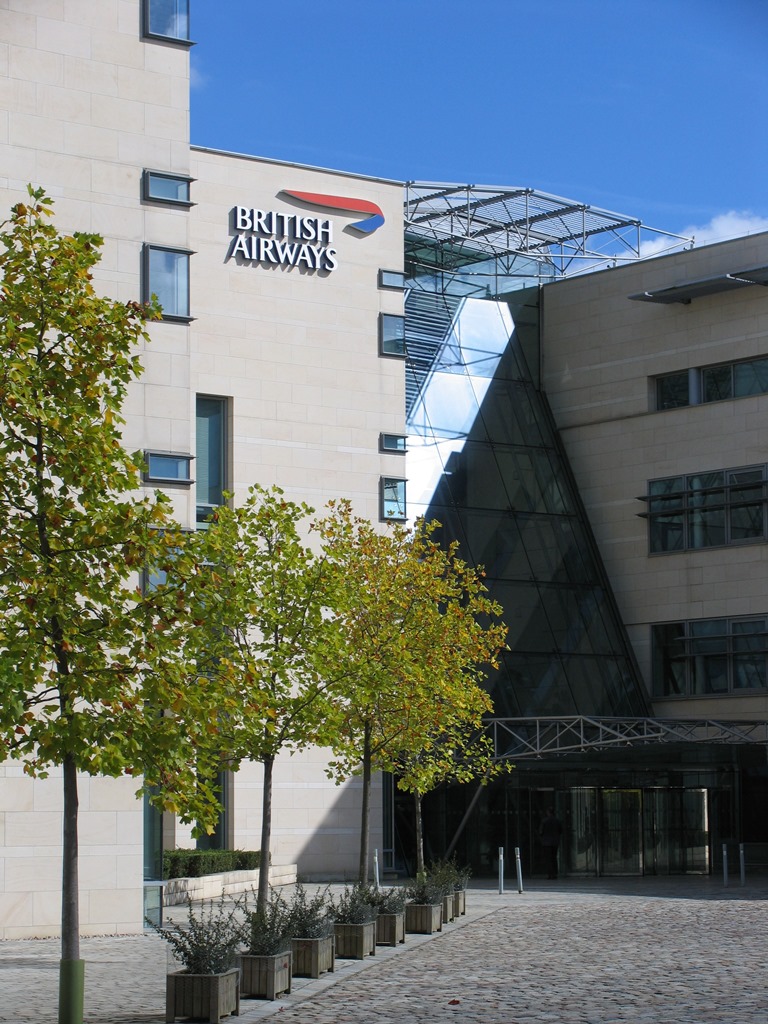
BBC Panorama Program followed a tip-off from a whistle blower. They were able to establish British Airways fuel tankering generated an extra 18,000 tons of carbon dioxide during 2018. This equates to a community of 100,000 people.
For their trouble, British Airways may have saved as little as £10 ($12) on some flights. Although other flights may have saved as much as thirty times that amount.
This information appears to conflict with British Airways’ claim to be “the world’s leading airline group on sustainability”. We are delighted to know the airline is reconsidering their tankering policy.
However, the real change will come when passengers cut back on non-essential flights. And reconsider the policy of chasing cheapest seats.
Related
Heathrow Expansion Violates Children’s Rights
“Flight Shame” Used To Deter Emissions
Preview Image: British Airways at Manchester Airport