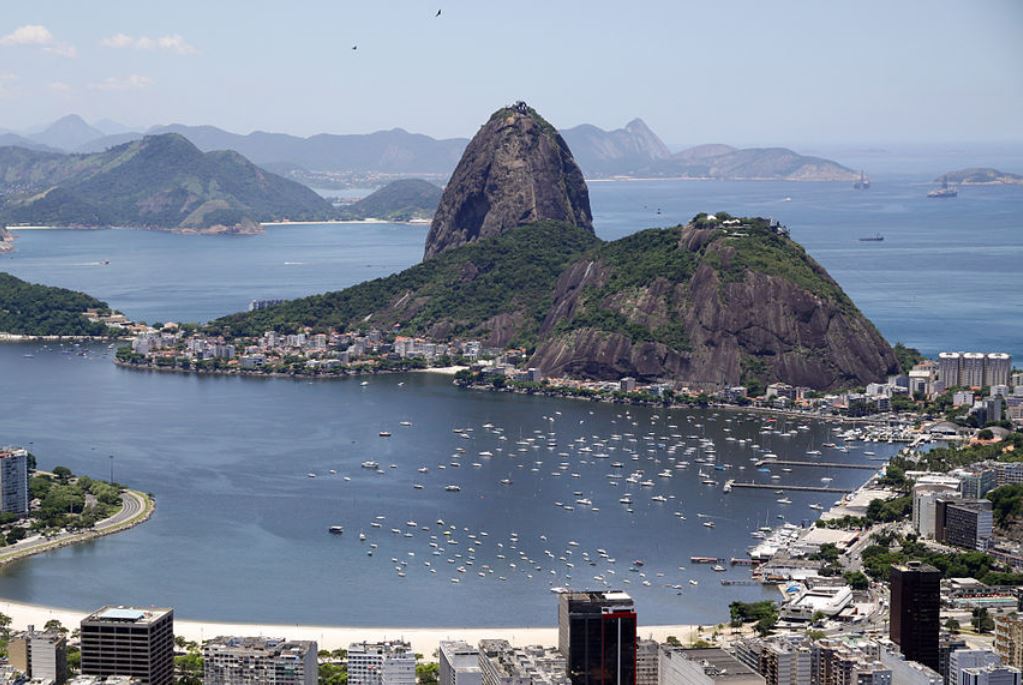
There was not much to rejoice over with the environment, when the world entered 1992. Overall carbon emissions were increasing, and the earth’s surface was warming still. Nonetheless, there was new hope because the Cold War was over following the dissolution of the USSR the previous year. World delegates were full of optimism as they took their seats for the 1992 Earth Summit in Rio de Janeiro, Brazil.
What the 1992 Earth Summit Hoped to Achieve
The conference rested on the premise that sustainability was too large an issue for individual nations to tackle alone. This opened the possibility of global regulation, although the international community was not ready for that yet.
The 1992 Earth Summit chose to follow technical themes, instead of directly challenging those nations most responsible for causing climate change. Before we get to the details of these three main issues, the fourth, mostly overlooked one was as follows. “We undertake not to carry out any activities on the lands of indigenous peoples that would cause environmental degradation or that would be culturally inappropriate”.
The Three Main Issues Coming Out of the Summit
The Earth Summit examined patterns of production resulting in toxic by-products such as lead in gasoline, and nuclear waste. Then it turned its attention to alternative sources of energy to replace fossil fuel causing climate change.
The 1992 Earth Summit urged cities to implement energy-efficient mass transport systems to reduce congestion, and air pollution. There was also talk about water scarcity and increasing use. At the end of the conference, developed countries agreed to return their emissions to 1990 levels.
How Successful Was the 1992 Earth Summit Really
The Earth Summit produced the Convention on Biological Diversity with the following goals:
# The conservation of biological diversity (or biodiversity)
# The sustainable use of its components
# The fair and equitable sharing of benefits arising from genetic resources
Good progress followed in many arenas. The 1992 Earth Summit became the stage-setter for the Kyoto Protocol and the Paris Agreement. Therefore, it was a step in the right direction. But a step the world should have taken decades before.
Related
Climate Change Part 18: 6 Billion Tons of Carbon
Climate Change Part 17: Margaret Thatcher Warns
Preview Image: Rio De Janeiro
Video Share Link: https://youtu.be/fc6Rpa4aYqk