Renewable solar energy is a variable resource. Solar panels only work in daytime and are less effective on cloudy days. These limitations cause engineers to conclude that solar energy has limited value as a top-up resource during peak daytime demand.
South Australia, Renewable Solar Energy and the Power Grid
In practice, power grid operators balance supply and demand by increasing and decreasing power output from generators. Until we can improve solar power efficiency, we will continue to rely on these large, expensive, and environmentally questionable systems.
South Australia has an unstable power mix. Most of it comes from gas turbines and wind generators in comparable amounts. Around 300,000 South Australians contribute the remaining 15% in the form of excess energy from rooftop photovoltaics.
The major load balancing resources are outside South Australia. Importing electricity from a distance leads to power loss though mechanical resistance. This is a leading argument against large, centralized generators. We need localized ways to manage generator outages.
Renewable Solar Energy to the Rescue in South Australia
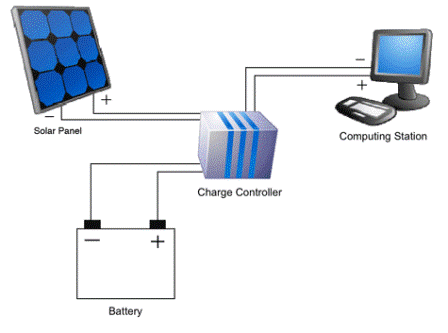
Solar battery systems provide effective power backup in domestic and commercial applications. The photovoltaic panels accumulate solar energy from rooftops, and feed this to purpose-built rechargeable batteries inside the building.

A company called Lyon Solar plans to build a massive 4000 square-meter solar battery array. It wants to use it to stabilize South Australia’s power grid during peak demand times. Economies of scale like this could also make solar power more affordable.
Lyon Solar is building its renewable solar energy array without financial assistance. It does not even have a purchasing agreement with the government. Its spokesperson says, “We have to translate solar into the secure and reliable source of power 24 hours a day, seven days a week that it can be”.
Related