The impact of concrete on the environment is severe. It covers over fertile topsoil contributing to surface runoff, soil erosion, water pollution, and flooding. Moreover, production of the active ingredient cement creates 5% of carbon dioxide emissions. Concrete is a major greenhouse gas emitter already and its weight will increase as other causes fall away.
Cement, Why Concrete is a Major Greenhouse Gas Emitter
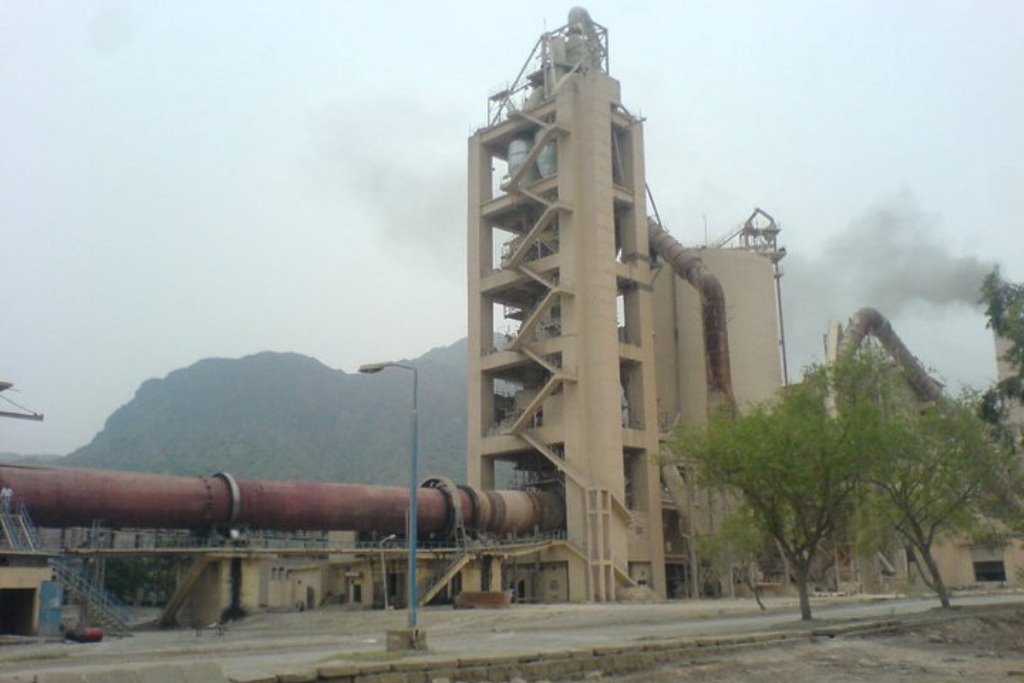
Raw cement needs extreme heat, and hence energy for clinker to form. The clinker cement nodules then grinds down to form the binder in many cement products. The heat also releases “alite”, an impure form of tricalcium silicate enabling strong concrete to cure quickly.
Producing “alite” requires temperatures of 1,500 °C, ensuring concrete is a major greenhouse gas emitter. The alternative compound “belite” has a roasting temperature of only 1,200 °C. However, the concrete then needs days or even months to cure depending on the thickness. This means the structure is unacceptably weak for too long.
Alternative Clinker Materials from Other Industries
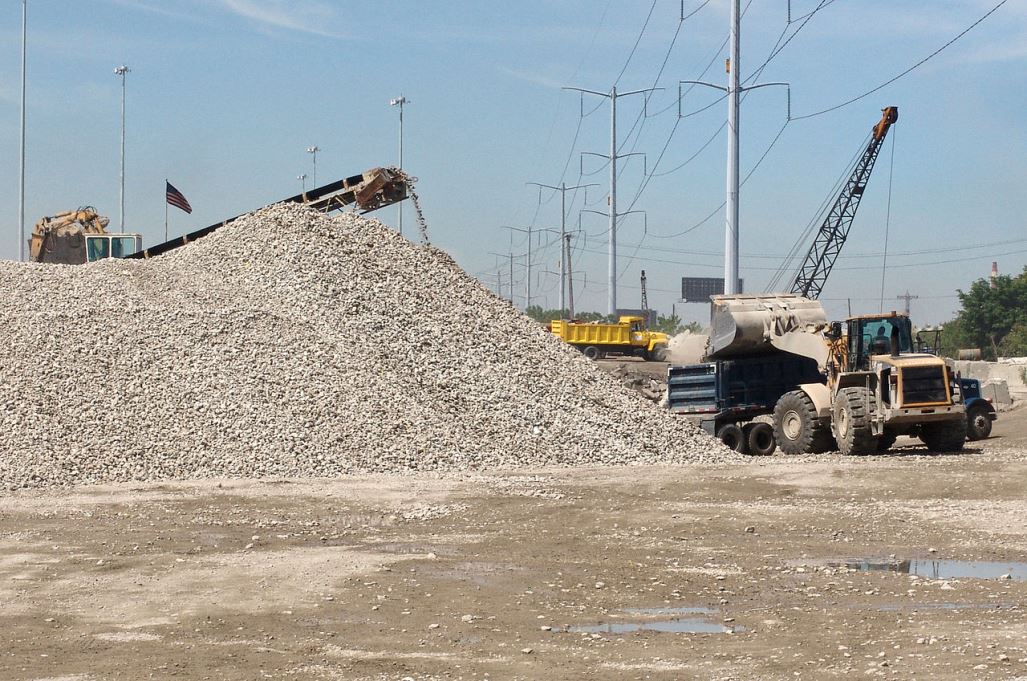
There has been some success with partly replacing cement clinker with fly ash, bottom ash, and slag. However there are few long-term test sites. Most concrete manufacturers may not explore the technology until they face the alternative of a carbon tax.
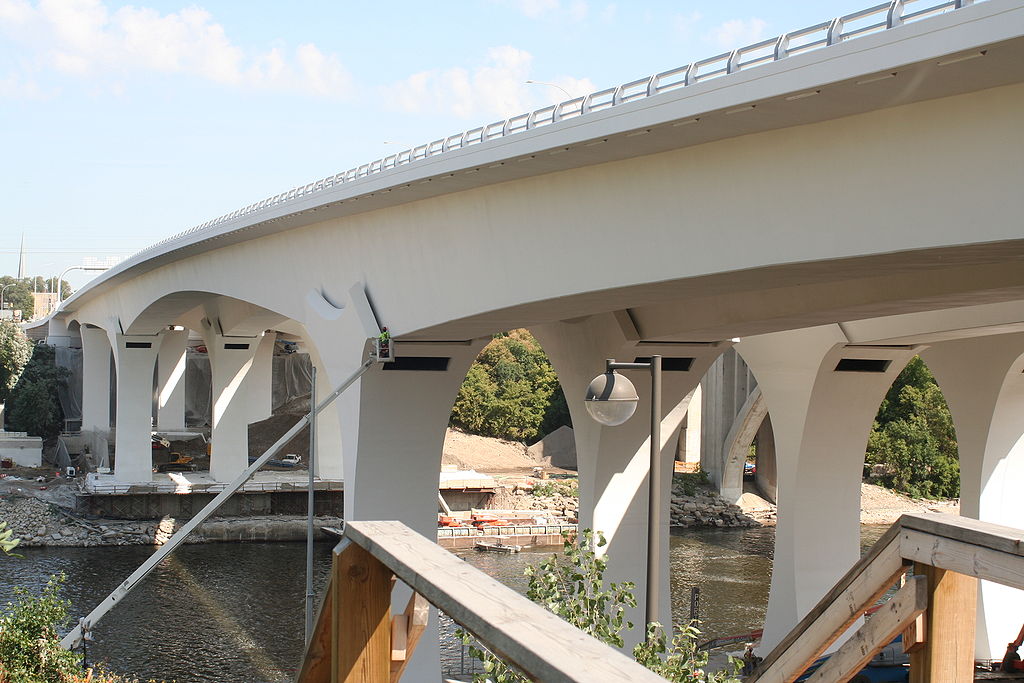
The Saint Anthony Bridge on the Mississippi River near Minneapolis, Minnesota is a notable exception. Engineers cast it from concrete in 2007, using a variable blend of cement, slag, and flash depending on the requirements of the portion of the bridge. Despite this, the cement industry faces major challenges due to aging equipment and exceptionally high energy needs.
Concrete pavement covers 30 to 40% of the surface in many U.S. cities. This contributes to city warming and the ‘heat island effect’. Concrete recycling can reduce overall greenhouses gases. However. humankind has yet to find an alternate construction material. Hence concrete is a major greenhouse emitter that could be with us for a long time.
Homes Becoming Batteries Using Concrete
The Science Is Clear – Abandon Fossil Fuel
Preview Image: St. Anthony Falls Bridge Opening Day