When our ancestors traveled across the deep oceans by sailing ship, they harnessed energy from the wind in their sails. However, if their routes crossed the equator, then they could be trapped in a windless belt they called the doldrums. They could drift for weeks before wind filled their sails again. But nowadays the challenge is more likely to be coping with renewable energy doldrums.
Coping With New Doldrums In the Renewable Energy Age
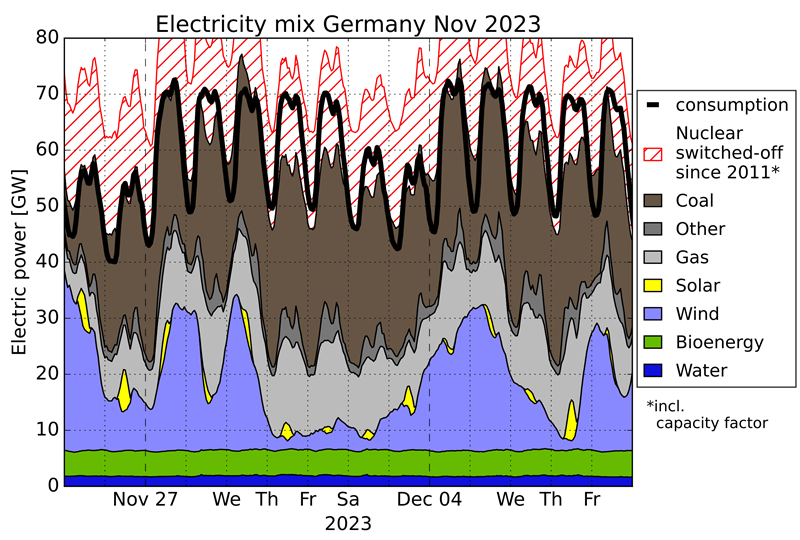
The Germans have a weather pattern that they call ‘dunkelflaute’, meaning literally dark doldrums or dark wind lull. During these periods very dense cloud cover forms overhead. There is no sunlight, and no wind to harvest for renewable energy at these times.
At other times, the transition from blazing sun and steady wind is less dramatic. We can’t control the weather, meaning we have to turn to more dependable fossil fuel on occasions. A temptation that very marginally warms our planet every time we use it.
Batteries, as we know them, are without doubt a very useful stop gap during these low days. However, the current generation can only help us with daily fluctuations. That’s because they are exhausted before a very dense cloud cover lifts. Perhaps we need another way of coping with these renewable energy doldrums?
Do We Need a New Kind of ‘Battery’ For Energy Storage?
We came across an interesting post in Knowable Magazine, dedicated to synthesizing and integrating knowledge for the progress of science and the benefit of society. They discuss a range of alternative renewable solutions, ranking from hydro-power to thermal, to hydrogen gas storage.
But those options are expensive, they point out, and we only have a limited number of ‘dunkelflaute’ days every year to cover the cost. Alternative energy storage must compete in dollar terms with lithium-ion, before cost-conscious utilities take it seriously.
Therefore, Knowable Magazine concludes, our technology is a distance away from coping with renewable energy doldrums. We shall have to wait longer until we have a complete solution. Do you think this might be a new form of organic battery, using a different combination of chemicals?
More Information
Alternative Hydroelectric Energy Storage
Thermal Batteries And Energy Storage Today