The SARS-CoV-2 virus can live outside a human body for as long as 28 days on a surface. However, this must be in a cool place in the dark according to HealthLine.Com. Therefore, the Antarctic should be its happy hunting ground. Yet surprisingly, the first COVID cases detected in the frozen south only appeared after human visitation.
Breaking News COVID Cases Detected in the Frozen South
The Weather Channel broke the news on December 23, 2020. It revealed the disease had finally announced its presence on the seventh and final continent. There are no permanent residents on the frozen wasteland. However, some 1,000 researchers and visitors stay there from March to October each year.
From where we sit, this seems more positive proof humans help the virus spread, not some dumb chemical agent. Although we are saddened that human fallibility introduced the disease, to a place already deeply troubled by global warming.
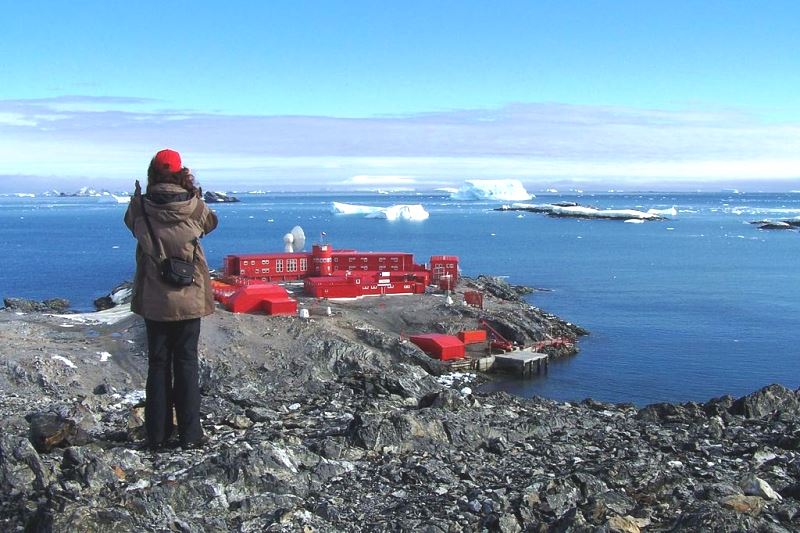
The bubble burst a few days earlier when Chilean Army confirmed cases at General Bernardo O’Higgins Riquelme research base station. This established in 1948 to receive data from satellite-based sensors within the South Polar Region, that might otherwise go missing in cyber.
How Serious Is the Antarctic Spread Really?
The winter population at the Chilean base is 16 according to Wikipedia. But this usually increases to 44 in summer although the total capacity is 60. However, Weather.Com reports a total 36 COVID cases detected in the frozen south outpost of Antarctica. Of these, 26 are military personnel and the balance maintenance personnel.
Apparently, the outbreak only came to attention after supply vessel Sargento Aldea reported three cases after visiting the station. For the rest of the frozen south, Weather.Com reports British Antarctic Survey estimates good news. That’s because the rest of the 1,000 researchers from 38 stations appear to have returned home safely.
Related
Fresh Update on the New Coronavirus Strain
Cough, Fever, Loss of Smell & Taste COVID
Preview Image: General Bernardo O’Higgins Base