

The new coronavirus strains in UK and South Africa are not more deadly than before. They do however take advantage of our independent streak, and unwillingness to take precautions. A fresh update on the new coronavirus strains in Vox.Com confirms the challenge is the faster infection rate.
Fresh Update on the New Coronavirus Strain as Agent Replicates Faster
An individual coronavirus agent can survive in a living human host for two weeks. During this time, it feeds off human tissue and replicates itself. In due course its numbers increase to the point it may destroy its host without medical intervention. It must therefore escape the human host quickly, and infect another person so it can continue its assault.
Of course, we can stop these new variants with human intelligence and knowledge gained. A fresh update on a new coronavirus strain in future could say ‘crisis over’ if we achieved three things:
1… Slowed future spread through universal masking, hand washing, and social distancing
2… Tracked and traced infected people in order to isolate, treat, and nurse them back to health
3… Vaccinated the entire population against the virus, and continued to monitor, and manage future outbreaks.
But We Are Not Doing These Simple Things, Are We?
Isolation is one of humankind’s most ancient medical tools according to New York Times. We have evidence of this from the bubonic plague 700 years ago, when it invaded cities like Venice and Milan. Authorities implemented social distancing and sanitizing according to History.Com. They knew they had to be careful about trade goods, because the disease traveled on objects.
On July 27, 1377 the city of Ragusa, now Dubrovnik, Croatia published the world’s first isolation order. This said people arriving from plague-invested areas must shelter on a nearby island for a month before they entered the city. Managing the spread of these fast-infecting strains depends on human behavior, not science, once again.
Related
New COVID Mutation is Not a Panic Situation
South Africa’s Winding COVID-19 Road
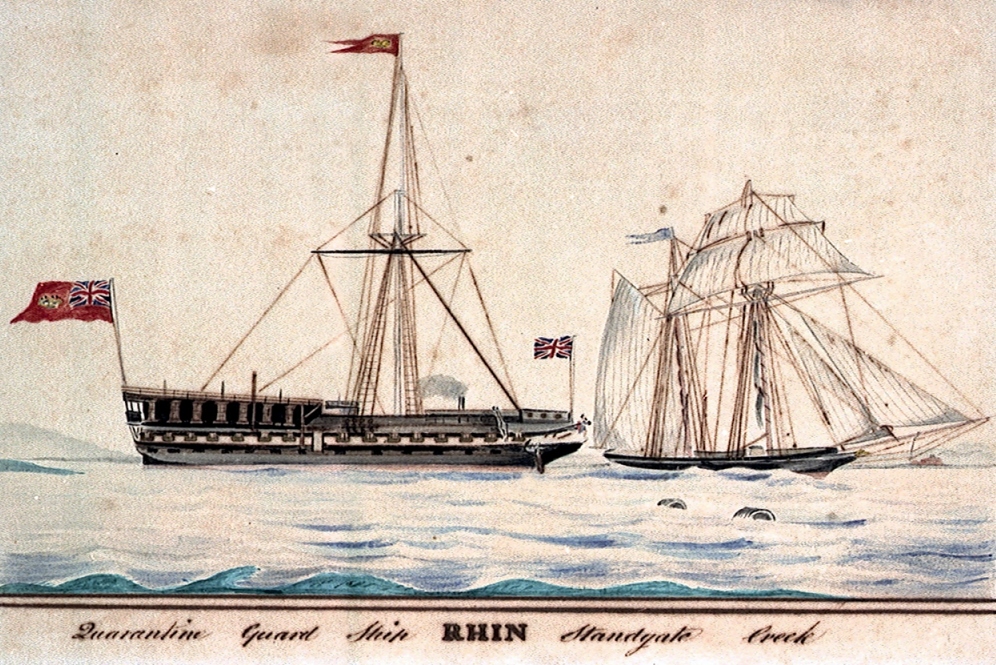
Preview Image: Quarantine Guard Ship Rhin


