Scientists at Queen’s University Belfast have developed a COVID-proof, self-sterilizing plastic film that kills the coronavirus on contact. They say this could prove invaluable in neutralizing droplets on plastics, metals, and fabrics after infected people breathe them out. Their report confirms those particles play a key role in virus spread in hospitals, nursing homes, schools and offices. We investigate further because this could contribute to eliminating COVID-19.
How the COVID-Proof Self-Sterilizing Plastic Works
COVID viruses cannot multiply outside a host body. However, they can stay alive for several days on some inanimate objects. And then infect a host that comes in contact with them. Bleaches and alcohols are a common solution. But there is growing interest in self-sterilizing surfaces, such as the one they describe in the report we link to below.
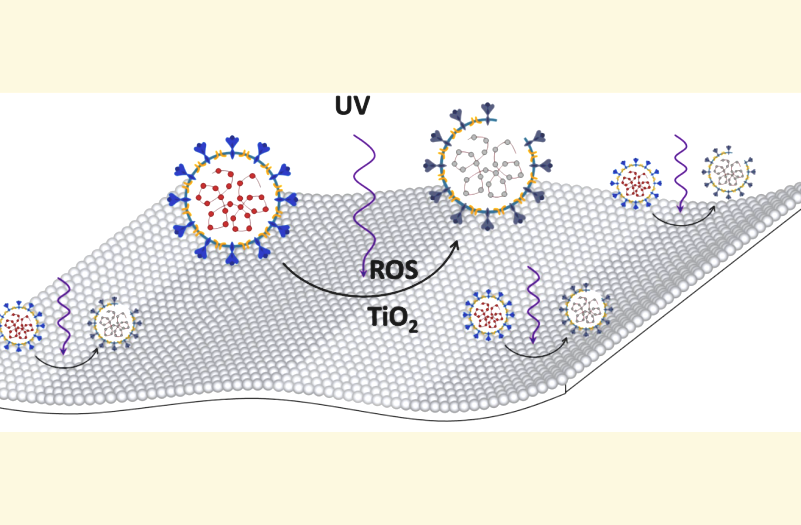
In a nut shell, their COVID-proof self-sterilizing plastic film reacts to light by releasing chemicals that disable the coronavirus. A sheet of copper should do the trick, but the relatively scarce metal is expensive. And so the scientists at Queen’s University Belfast turned to a plastic material instead.
They added nanoparticles of titanium dioxide to low density polyethylene plastic sheets that are readily available. Even a tiny amount of ultraviolet light from a fluorescent bulb causes these sheets to release reactive oxygen species molecules. Their open-access report confirms these destroy the coronavirus’s genetic material killing it stone dead.
This Is a Unique Development in Its Field
“This is the first time that anything like this has been developed,” says Andrew Mills from the university’s chemistry department. He went on to explain to BBC Health how the film could replace many other disposable sheets. That’s because it auto-sterilizes itself “at no real extra cost”.
His team tested two influenza strains, the COVID, and an extremely stable picornavirus. Their modified low density polyethylene plastic sheet destroyed the last of a million viruses in less than two hours. However, they will have to conduct proper trials to confirm their success, and perhaps lead to a commercial version later.
Breaking News
Is the Pandemic in a Lull or Almost Over?
Monoclonal Antibodies and How They Work