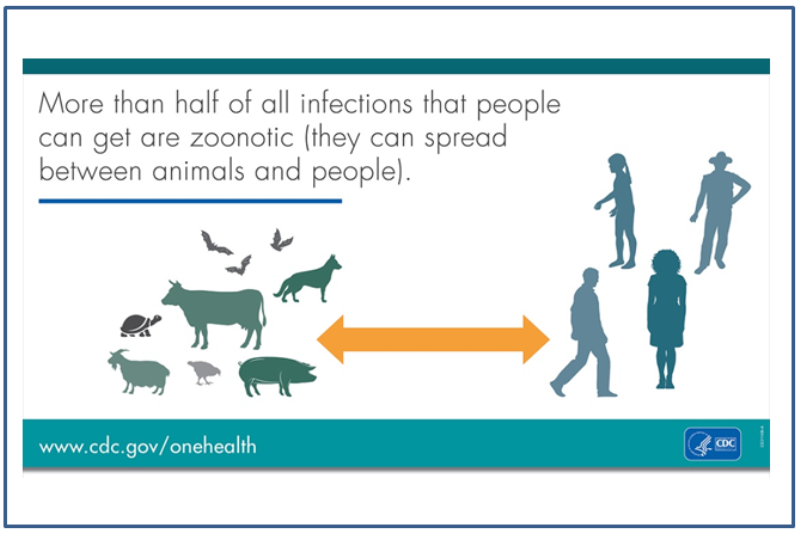
It’s highly likely the SARS-CoV-2 virus causing COVID-19 disease crossed over from a mammal to a human in late 2019. That’s because as far as we know humans did not have antibodies before then, which would have indicated a previous infection. If the disease transferred from a mammal United Press International says, then surely the COVID virus could cycle back to wild life.
How Could the COVID Virus Cycle Back to Wildlife?
The possibility the COVID virus could cycle back to wild life is real and significant according to Mammal Life. Their report published October 6, 2020 outlines two consequences of zoonotic inter-species transmissions. In the first, this could infect threatened animal species, they say. While in the second, those animals could ‘serve as a reservoir for further virus evolution’.
This possibility is not far-fetched. We have described humans cycling the virus through minks. And there are confirmed stories of tigers and lions infecting at a zoo, and a few cats and dogs receiving infections from humans. The wild creatures most at risk may be the North American deer mouse, the bank vole in Europe, macaques in Asia and stray cat populations all over the world.
That’s Quite a Story – What Ought I to Do As Human?
Mammal Life believes we should take the same precautions as we do for other people, if we believe we have a COVID-19 infection. This means staying away from game parks and zoos if we are ill, and especially endangered species. However, the risk of human to animal transfer is minimal they say.
This is because the wild mammals we mostly interact with – house mice, and brown and black rats – don’t appear to be susceptible to the infection. We’ll be the first to agree the information to hand is thin and incomplete. However, we believe it’s our duty to share breaking news from authority sources, as it comes to hand.
Related
SARS-CoV-2 Look-Alike Found in a Bat
Proof of Spread Between Minks and Humans
Preview Image: Half Human Diseases are Zoonotic