Direct TV commissioned its Spaceway F1 direct-broadcast satellite on April 26, 2005, to deliver high definition television to its customers. First, it fired an adapted Boeing 702 baseline satellite on a Zenit 3SL rocket from Sea Launch’s Odyssey equatorial platform. Then primary power from twin lithium batteries taking energy from solar panels took over. On January 22, 2020 Space News reported the Direct TV satellite was in trouble.
‘Critical Malfunction’ in Direct TV Satellite Battery
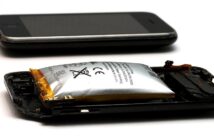
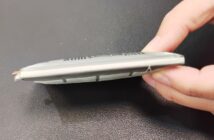
Technical detail is sparse, although we do know the battery suffered thermal damage from a heat source. Apparently Direct TV fears the cells could explode at any moment if charged. However, it seems likely the problem is thermal runaway, not impact damage to the Direct TV satellite.
The company submitted a report to the U.S. Federal Communications Commission concerning the Xenon electrostatic ion thruster system. It confirmed there was not enough time to vent the 73 kg of biofuel propellant keeping the satellite on station. That’s because this would take a month to ‘passivate’ whereas catastrophic battery failure could occur anytime during charging.
De-Orbiting the Satellite is the Only Option
Direct TV Spaceway F1 is currently operating on emergency power directly from its solar panels. However, it will pass through Earth’s shadow in late February 2020, making it necessary to recharge the batteries before then.
Therefore, the only practical solution would be to park the Spaceway F1 orbiter 300 kilometers above the geostationary arc. This low orbit space is beyond Earth’s atmosphere, and popular for large satellites because they require less energy to resist gravity.
The Spaceway orbiter has been serving as a backup vehicle for the last several years. Therefore, Direct TV users should be relatively unaffected when the Direct TV satellite moves beyond communication range. There, it may rest peacefully forever, or disintegrate following a battery explosion only astronomers may notice.
Related
The Space Batteries We Sometimes Forget
The Radioisotope Batteries on Cassini Orbiter
Preview Image: Wideband Global Satcom Satellite
Video Share Link: https://youtu.be/rf6kWK3ofJw