No wonder woodchucks and hedgehogs hibernate in winter. Their blood thickens in the cold, they feel lazy and sleep the whole season long. Humans too feel like dozing in bed longer, although duty often calls us to rise. Electric car batteries in winter behave similarly, as their electrolyte becomes thicker, and their electrochemical processes slow.
Excuse Me, What Do You Mean by Electrochemical?
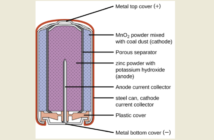
Electrochemistry is a process during which a chemical reaction produces electricity, hence the name. This phenomenon is at the heart of all batteries, and occurs when ions pass through an electrolyte, and exchange between suitable materials.
Back to Winter and Electric Car Batteries Again
Did you ever charge your phone in bed, while you dozed on a chilly winter morning, but found it almost flat when you arrived at school? Modern smartphones cope better, although their charge still drains faster when it’s very cold.
Electric car batteries have a similar problem in winter, when the liquid electrolyte thickens in their lithium-ion batteries. This increases their internal resistance, and slows the electrochemical process. The ions can’t shuttle as easily between the cathode and anode electrodes, as they could on a warm summer’s day.
Do All Electric Car Batteries React the Same in Winter?
The depth of the response varies according to battery age, and the circumstances, particularly temperature. For example, a sudden spike in demand may cause the voltage to drop, and could lead to a deep discharge. However, the deciding factor may be a cold ambient temperature, especially if the battery has been recycled many times.
The Volkswagen website goes into some depth on this matter, as it explains how cold affects older batteries more. However, interestingly enough, lithium batteries age faster at higher temperatures. VW says we can counter the effect of icy winters by storing electric cars inside warm garages.
Heat the vehicle to precondition it before driving off, they add. Then turn the heating down a little to reduce battery drain. Consider installing an optional heat pump to reduce secondary energy demand. Charge the battery when you return home while it is still warm, and there’s a good chance of improving driving range in winter.
More Information
Starter Battery Storage Tips for Winter