There is a dark side to the world of batteries many users choose to ignore. This downside includes mindlessly plundering the environment, paying miserably low wages, and consciously ignoring the need to recycle. There has been some criticism about the new European Union battery regulations. EU battery passports promote transparent supply chains, and that can only be a good thing.
How EU Battery Passports Achieve This Goal
The European Union will phase in the new requirements across several years:
- All batteries delivered within the Union after 2025 must list their components and recycled content.
- All batteries delivered within the Union after 2026 must also have EU battery passports and QR codes.
- These regulations apply to all electric vehicle, industrial, and waste portable batteries.
All ‘operators’ must furthermore confirm the source of the materials in their batteries, according to CIPS Supply Management. They must also list their primary characteristics, including their capacity and hazardous substances. And lastly, operators also need to be upfront concerning the carbon intensity of their manufacturing processes.
More Information Required for EU Passports
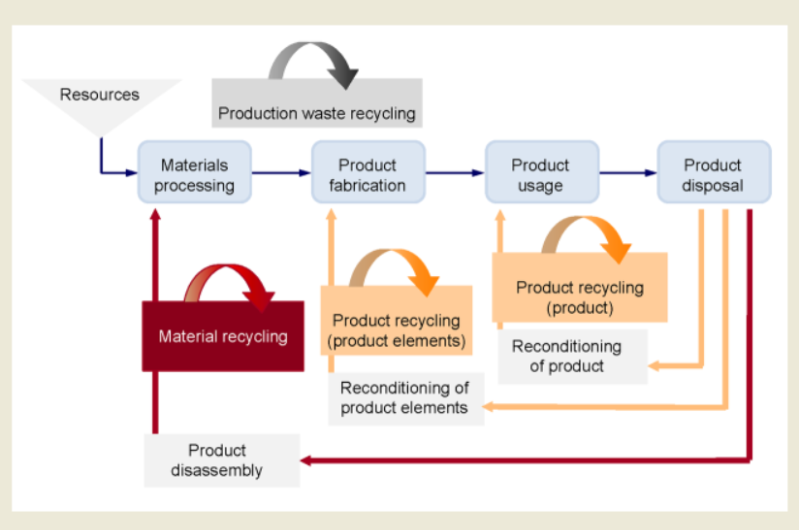
EU battery passports must also describe how to repair, repurpose, and dismantle their products, and their potential for treating, recovering, and recycling their constituent materials. Spanish minister for ecological transition, Teresa Ribera explains the logic behind the EU regulations as follows:
- Batteries are key to EU goals for decarbonization, and the move to zero-emission transport.
- But we must also remember they contain valuable resources we should recover and reuse.
- These new rules will improve EU competitiveness, while ensuring batteries are sustainable too.
Douglas Johnson-Poensgen from Circulator put things in a nutshell when he said, “all economic operators would now need traceability in their battery value chains to the deepest tiers. This will further their responsible sourcing, and also sustainability goals.”
More Information
Greater Battery Recyclability in European Union