The recent polar vortex event evoked considerable interest regarding EV battery performance. Some consumers complained of shorter driving ranges, and wondered if these would be permanent. The Worldwide Harmonized Light Vehicle Test requires auto makers publish range data determined at 23ºC. This is an extension of their oversight over fuel consumption and CO2 emissions of gasoline autos.
The Relationship between Temperature and EV Battery Performance

Electric vehicle batteries and indeed all batteries use chemical reactions to charge and discharge. Most chemical reactions slow as temperatures fall, and EV battery performance is no exception.
Therefore, EV battery delivery is less efficient at low temperatures all other factors remaining the same. Hence they have to work harder and this reduces the driving range they are able to deliver. The same principle applies to recharging in cold weather which takes longer to complete. However, Bruce Gayton writing in The Drive does not think this deterioration needs be permanent.
The Full EV Driving Range Should Return at 23ºC
So says Bruce Gayton, serial owner of electric autos. “In the Leaf I lose 10 to 15% of the range in winter even if I don’t use the heater. And 25% if I do,” he adds, “but that range returns in the warmer months. However the actual extent of EV battery performance loss depends on the vehicle type.

That’s because EV makers tweak their lithium chemistry differently, producing varying winter driving-range losses. Moreover, their battery heating / cooling systems are not the same either in terms of energy demand. Other influencing factors include age of battery and how hard the user drives the vehicle.
The damage could however become permanent by consistently racing the motor in freezing weather. But then why do that on icy roads in the first instance?
Related
Polar Vortex Killing Lead Starter Batteries
Batteries Are Leading Vehicle Killer This Winter
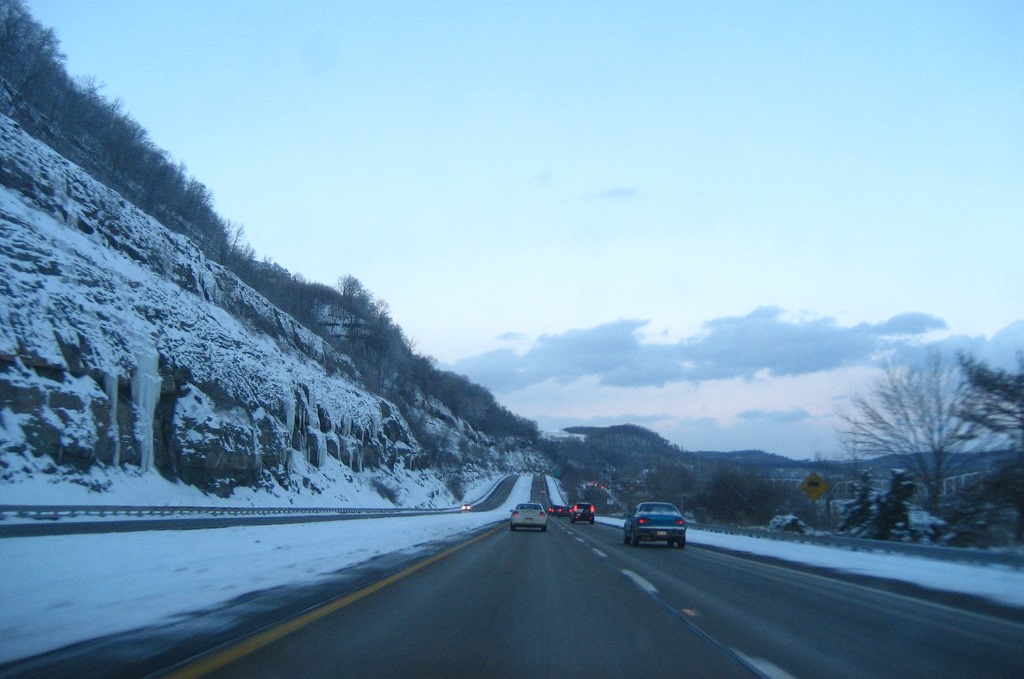
Preview Image: A Winter Driving Scene