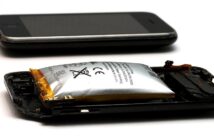
On Thursday February 15 2018, the Federal Energy Regulation Commission admitted batteries to the open market. By the end of 2020, we should see energy storage challenging power stations for a share of the national grid. This offer of a fair chance for batteries hardly caused a ripple in popular media though, because there are other, more immediate items occupying the public mind.
Why Have a Federal Energy Regulation Commission?
The Federal Energy Regulation Commission has the task of regulating the electricity supply chain in the United States. As consumers, we need controls to ensure the kettle boils each morning, and we can charge our laptops so we can check for messages.
The Commission has quite correctly waited until storage came of age before taking battery barriers down. Because we can’t afford to take chances with electricity sustainability. This is a significant moment for alternative energy. By the end of 2020, solar and wind will be pouring energy into the national grid. Finally, we have a fair chance for batteries to consign fossil fuel to where it belongs – in history.
Can Utilities Make This Chance for Batteries Materialize?
We believe the industry is in position to accept the challenge. Companies like Tesla and AES Corp. having been working hard towards this moment. Moves are now afoot to put regulatory systems in place on government side too.
The Federal Energy Regulation Commission has tasked the nine regional transmission organizations to come up with plans ensuring a fair chance for batteries. They must adjust their tariff policies to “establish a participation mode for energy storage”, and they have nine months to do so.
This Opens the Window for Other Participants Too
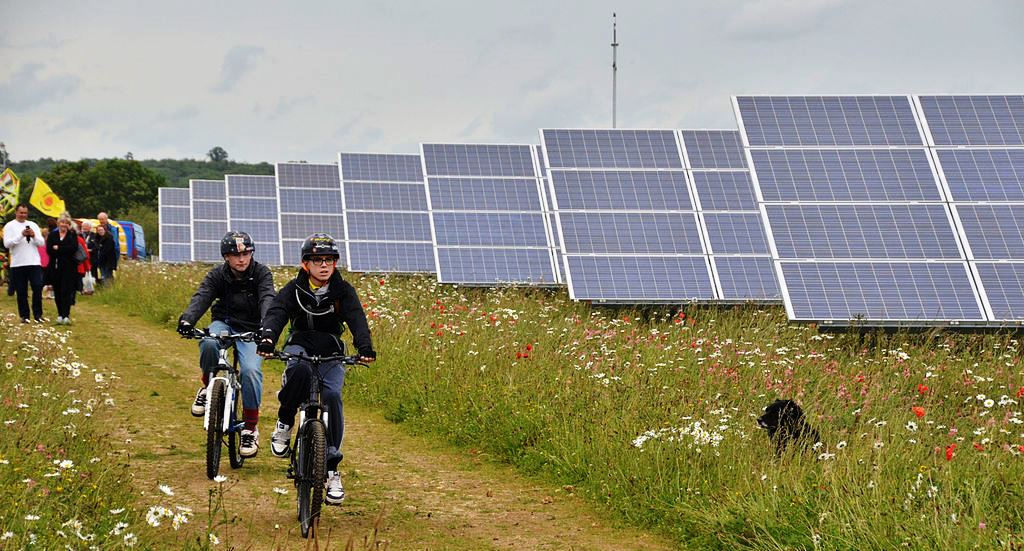
Moreover, wind and solar are not the only alternative energy sources standing in the wings to opportunize this moment. Pumped energy and thermal storage demand their role in materializing this fair chance for batteries too. We stand in awe. What a privilege to witness this moment: The moment when humanity finally had an opportunity to begin reversing global warming.
Related
Batteries and Solar Beat Gas in Arizona
Renewables Cheaper Than Coal in Colorado
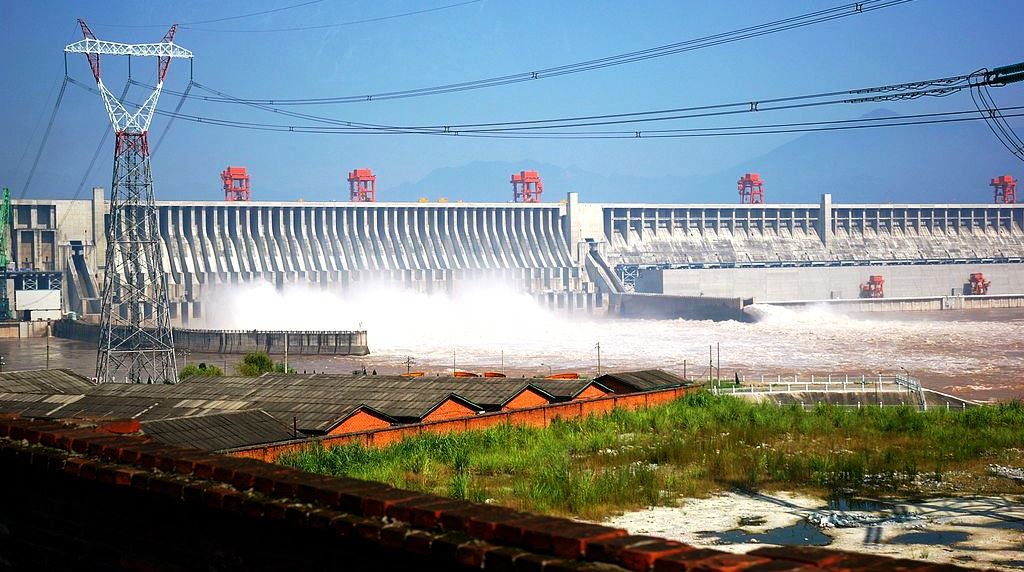
Preview Image: Three Gorges Dam