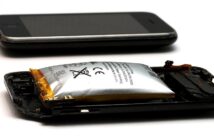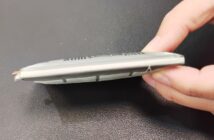
The battery industry continues to face down lithium-ion battery fires in our cities. These seem almost invariably due to substandard quality and user abuse. Nonetheless, it is a fact that these batteries emit high heat when they burn, and this can spread to adjacent cells. So why are the news channels not calling for more flame resistant battery casings?
Why We Need Flame Resistant Battery Casings
There were two incidents in North America involving lithium-ion batteries in transit, that lead us to write this post. Both of these incidents involved bulk shipments of the high density cells in transit. We have to ask what happens if something similar occurs in a densely-populated urban community?
The 31,000 Pound Highway Battery Fire
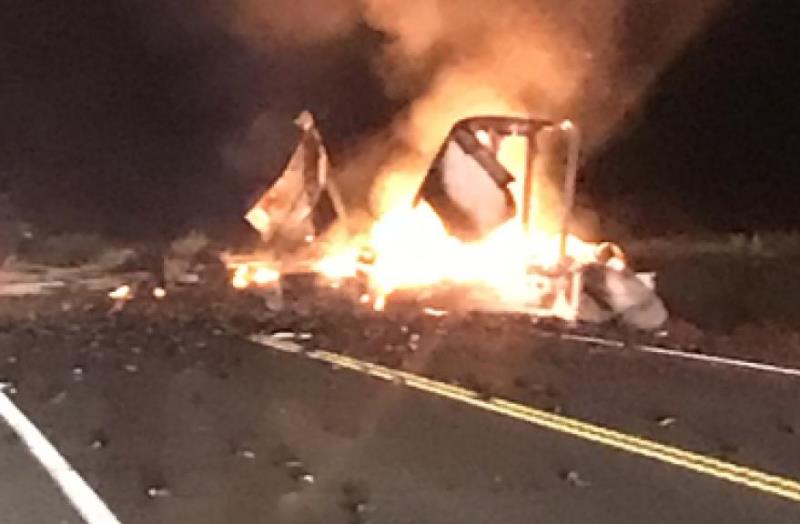
The CTIF International Association of Fire and Rescue Service, reports how a truckload of 31,000 pounds of lithium-ion batteries caught fire following a crash in Nevada. This closed part of Highway 95, and took 5,550 gallons of water containing a ‘special additive’ to extinguish.
The 33,000 Pound Montreal Battery Fire
The City of Montreal issued a lock down notice to residents living near the port, after a container of lithium-ion batteries caught fire at a depot. A large plume of smoke spread across the city, as traffic officials scrambled to close roads. Fortunately, they brought the fire under control without serious injuries.
The impact of these two fires should have been far less, if there were flame resistant battery casings in the containers that prevented the spread of flames. So why do we hear so little about this technology?
Hope on the Horizon With Heat-Resistant Battery Casings
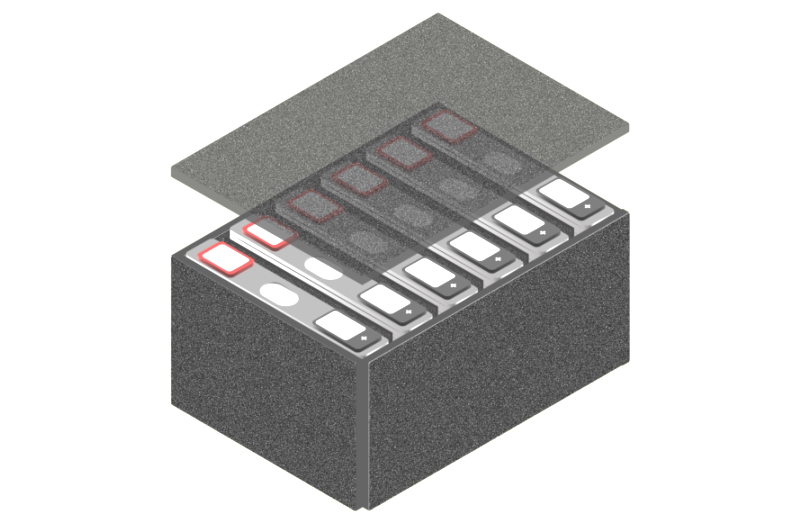
Japanese manufacturer Asahi Kasei has been marketing a non-woven, non-mineral flame resistant material for a while. It’s traditional use has been flame and heat-resistant clothing, but now the company suggests using it as a thermal blanket to slow the spread of lithium-ion battery fires.
Innovation in Textiles suggests that this product, baked at temperatures between 200-300°C, limits the oxygen index. In a recent test, material behind the flame-resistant product remained below 300°C, despite a 1,300°C flame on the far side.
More Information
How to Extinguish Lithium Battery Fires