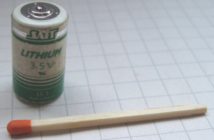
Lithium thionyl chloride batteries are reliable power sources, but they require careful handling. Their chemical construction differs considerably from that of ordinary household batteries. Their handling and safety-what users need to know reflects the wider topic of battery use generally.
The Cells Contain Lithium Metal And Thionyl Chloride
The cells contain lithium metal and thionyl chloride, a corrosive chemical that can release hazardous fumes if a battery is damaged or leaks. Although properly manufactured batteries are sealed, their contents must never be treated as harmless.
The first rule is to follow the manufacturer’s instructions. Different cell sizes and designs can have different operating limits, storage requirements and safety precautions.
Never Recharge a Lithium Thionyl Chloride Battery
Never attempt to recharge a lithium thionyl chloride battery. These are primary cells for single use. Charging can cause dangerous internal reactions, gas generation and excessive pressure.
Avoid short-circuiting the terminals. Contact with metal objects, tools or loose conductive materials can produce excessive current and heat. Batteries should be in their original packaging or suitable non-conductive containers, with terminals protected against accidental contact.
Do Not Crush, Puncture, Dismantle Or Heat a Cell
This harmonises with handling and safety-what users need to know about batteries generally. Do not crush, puncture, dismantle or deliberately heat a cell. Never throw one into a fire. These actions can cause a violent reaction or release hazardous substances.
Storage conditions are also important. Keep batteries in a cool, dry location within the temperature limits specified by the manufacturer. Avoid excessive humidity, direct heat and physical damage.
If a Battery Becomes Swollen, Damaged, Unusually Hot
If a battery becomes swollen, damaged, unusually hot or begins leaking, do not continue using it. Avoid touching any leaked material or breathing its vapour.
Keep people away and obtain advice from an appropriate battery-handling or hazardous-materials professional. Follow the manufacturer’s safety data sheet for the correct response.
Used Batteries Should Go For Suitable Recycling
Used batteries should go for suitable recycling or disposal. Do not assume that every lithium battery can go to ordinary household waste collection.
Transport is another consideration. Lithium metal batteries are subject to specific transport regulations, including packaging and documentation requirements.
These Batteries Are Safe When Correctly Used
The important message is that these batteries are safe when correctly designed, installed and handled. However, their chemistry deserves respect. Following the manufacturer’s instructions protects users, equipment and the surrounding environment.
More Information