

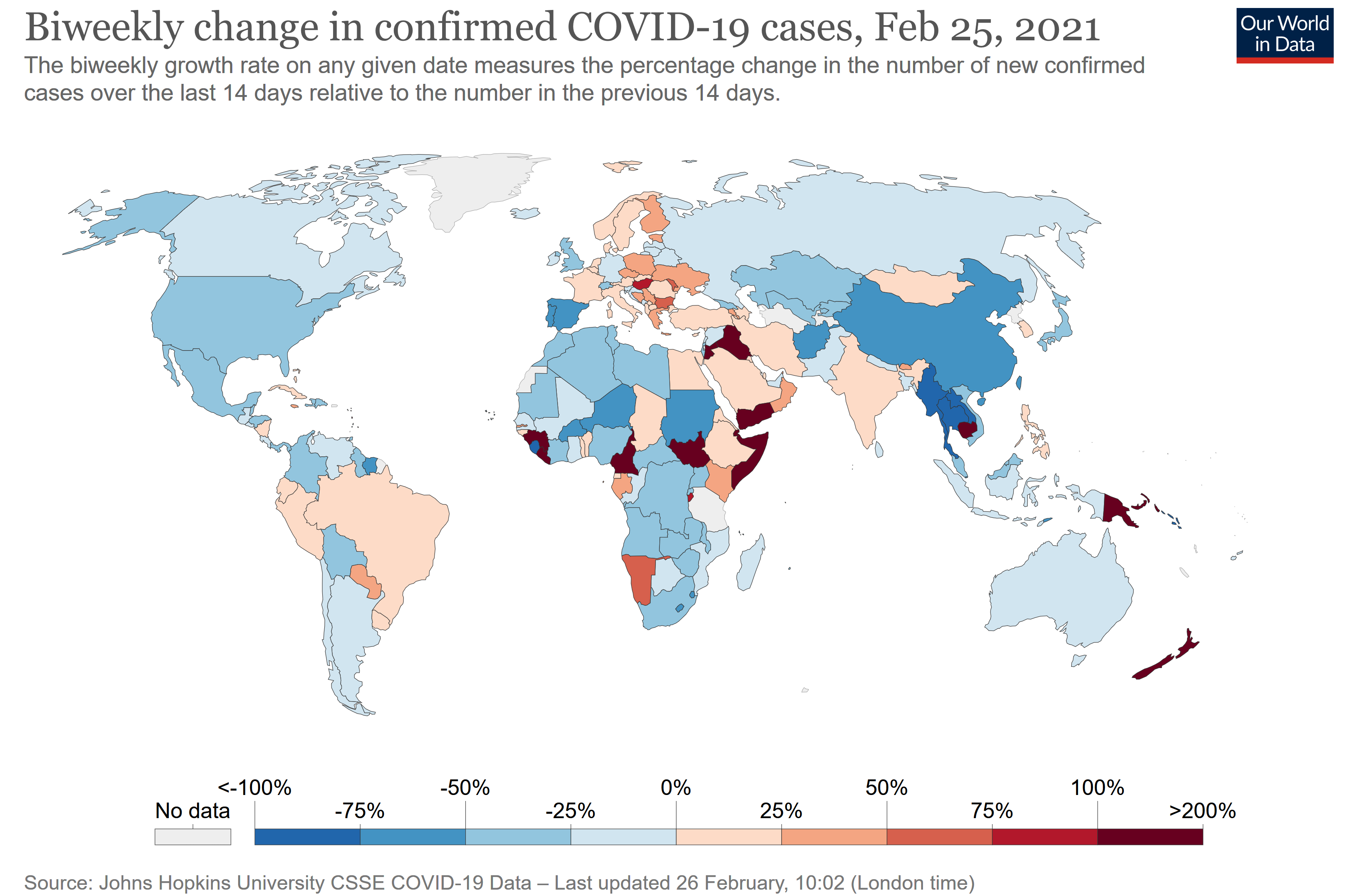
A biologist at University of Washington in Seattle Carl Bergstrom shared his frustrations with New York Times on February 26, 2021. ‘The single biggest lesson I’ve learned during the pandemic is epidemiological modelling struggles with estimates,’ he admitted. ‘That’s because human behavior bedevils our COVID predictions and they are not as accurate as we would wish.’
Can We Keep Wearing Masks While Longing for Normality?
The New York Times is concerned another spike may appear soon. This could materialize because of new strains, and pressure on authorities to lift restrictions. North American death and infection rates are still high despite the reduction in numbers.
‘Taking the first hint of a downward trend as reason to reopen is how you get to even higher numbers.’ So says Marc Lipsitch, an epidemiologist at Harvard T.H. Chan School of Public Health in Boston.
Apparently the human factor makes running accurate predictions of COVID trends statistically impossible. The New York Times suggests the drop in cases is down to behavioral change, not vaccination. But this factor could turn the other way. That’s according to Lindsay Wiley, expert in public health law and ethics at American University in Washington.
How Human Behavior Bedevils Accurate COVID Predictions
‘People voluntarily change their behavior as they hear about outbreaks in their area and hospitals straining,’ Lindsay Wiley says. ‘If that’s the reason that things are improving, then that’s something that can reverse pretty quickly, too.’
‘Everybody is tired, and everybody wants things to open up again,” adds Dr. Tuite from University of Toronto. ‘Bending to political pressure right now, when things are really headed in the right direction is going to end up costing us in the long term.’
New variants could drive the case load back up again, those experts warn if we drop our guard too soon. There’s only one way to cope while human behavior bedevils COVID predictions, and that’s to manage how we react.
‘Just hang in there a little bit longer,” Dr. Tuite advises. ‘There’s a lot of optimism and hope. But I think we need to be prepared for the fact, that the next several months are likely to continue to be difficult.’
Related
Coronavirus Cases Are Falling in US. Why?
Halting COVID Reinfections Versus New Ones
Preview Image: Biweekly Change in Confirmed Cases


