Incubating carriers harbor infectious diseases, without displaying discernible symptoms. However, these symptoms subsequently appear after an interval between a few days and a few weeks. Eventually they self-vaccinate themselves if they survive the disease. Asymptomatic carriers, on the other hand may never display any symptoms at all. We are just beginning to understand the differences between incubating, and asymptomatic people carrying the virus.
Contrasting Incubating and Asymptomatic Carriers
Incubating virus carriers eventually catch the disease, although they can infect other people during their ‘silent period’. This is sufficient reason to wear face masks and socially distance ourselves from apparently healthy people. However, asymptomatic carriers present a longer term risk.
The main difference between incubating and asymptomatic carriers is the latter may never develop the disease. They may, however, be able to transmit it for a long time. These ‘silent carriers’ commonly spread influenza, runny tummies, tuberculosis, HIV, and now COVID-19 as well.
Towards a Better Understanding of Asymptomatic Carriers
Science does not yet fully understand how these pathogens remain dormant in humans. What we do know is there are two types of this condition. The first is a longer incubation period that may never become a disease. The second is a recovered patient who mistakenly believes they are clear.
The Singapore outbreak on January 19, 2020 was a classic example of an asymptomatic infection. A healthy couple from Wuhan, China attended a church service. The seat they sat on infected someone in another gathering later. This was the first known example of pre-symptomatic transmission, and highlighted the need to isolate known contacts.
We don’t know many innocent incubating and asymptomatic carriers are spreading the coronavirus without being aware of it. This emphasizes, once again that the path of the epidemic is in our own hands. We can adopt a devil-may-care approach, or a responsible attitude. We could even be asymptomatic carriers ourselves.
Related
Russia Trialing an Influenza Drug for COVID
Will Work From Home Change City Landscapes
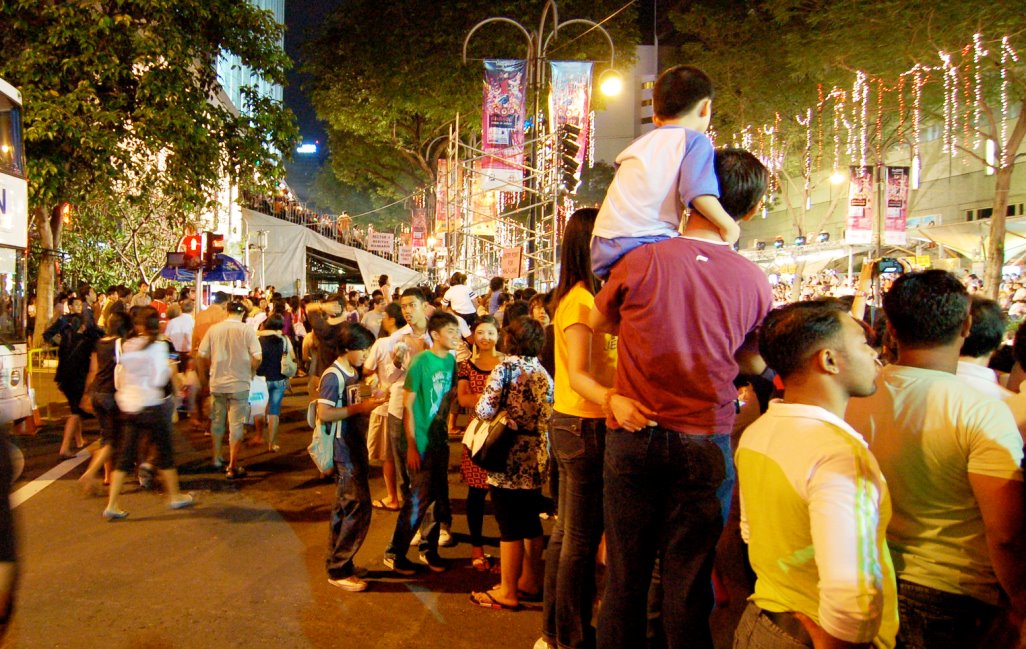
Preview Image: How We Once Were in Singapore