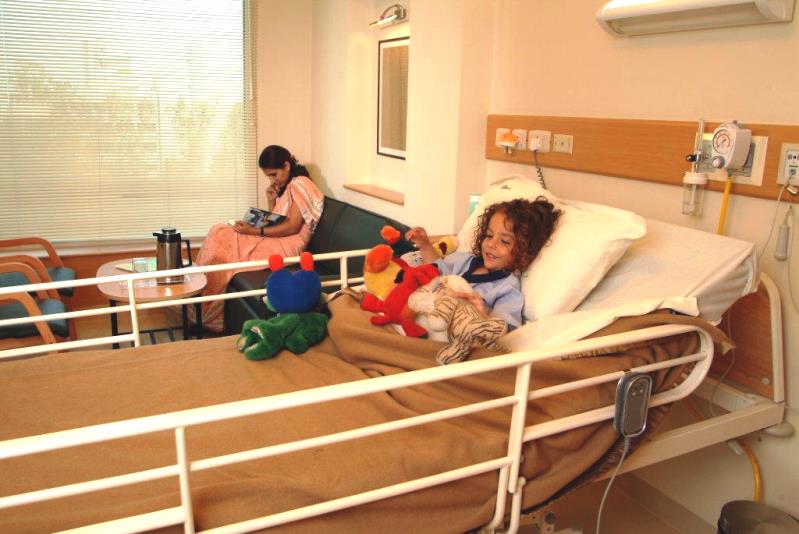
Doctors don’t understand why some kids with COVID develop pediatric inflammatory multisystem syndrome. But this condition, which also goes by the name multisystem inflammatory syndrome in children (MIS–C) is thankfully rare. Inflammatory multisystem syndrome in kids with coronavirus infections only affects one in every 2,500 children. However, the outcome may be worrying.
Inflammatory Multisystem Syndrome Symptoms
We are not medical specialists. Therefore the following information describes the illness in broad terms, and shall not constitute medical advice. Please speak to a doctor if you have concerns.
Most kids have mild bouts of COVID-19, especially with the Omicron variant. However, The Conversation explains a small number do develop the multisystem syndrome within the first six weeks. But doctors don’t understand why their bodies activate this response.
However, they do know it will affect several body parts simultaneously as it spreads through their young bodies. Moreover, those areas may include skin and eyes, gastro-intestinal tract, heart, lungs, kidneys, and brain. Almost all the kids affected have to got to hospital. The complications vary widely but may include:
- Fever usually for more than three days.
- Vomiting, diarrhea, abdominal pain.
- Conjunctivitis – red, watery eyes.
- Lymphadenopathy – swollen lymph glands.
- Sore throat, cough, rashes, headaches.
Multisystem syndrome is similar to Kawasaki disease usually affecting older kids. Always consult a doctor if your child is ill, to avoid misdiagnosing their condition. Wikipedia advises most kids will require intensive care. Some 2% will perish, mostly because of a lack of expert attention.
Why Are We Writing About This Condition Now?
Approximately 120 Australian kids with inflammatory multisystem syndrome are currently undergoing surveillance at eight children’s hospitals. The commonest symptoms appear to be red eyes, rash and abdominal pain. Medical diagnosis and treatment usually includes:
- Blood tests to look for markers of inflammation.
- Observations to check for inflamed blood causing clots.
- Heart ultrasound tests to check pulmonary performance.
Doctors don’t understand how the coronavirus disease causes these complications. However, the positive news is they do know how to treat them successfully. Parents should therefore seek medical advice early, and appreciate full recovery will take time.
Breaking News
COVID Rebound Is With Us How It Happens
Pfizer’s Oral Treatment Coming To Michigan
More Information
The Conversation’s Advice for Concerned Parents