Scotland has been the wellspring of so many noteworthy inventions it is hard to know where to start. So we will just briefly mention William Cruikshank’s trough battery, and Robert Davidson’s pioneering electric locomotive. Writing about innovative battery storage in Scotland was almost a no-brainer after we visited BBC News the other day.
Innovative Scottish Battery Storage at The Forefront
Scotland’s giant batteries are expanding rapidly, as the nation presses forward toward universal renewable energy. Its own engineers are in the forefront of the pack. But, as happens elsewhere, some residents are cautious about the environmental impact.
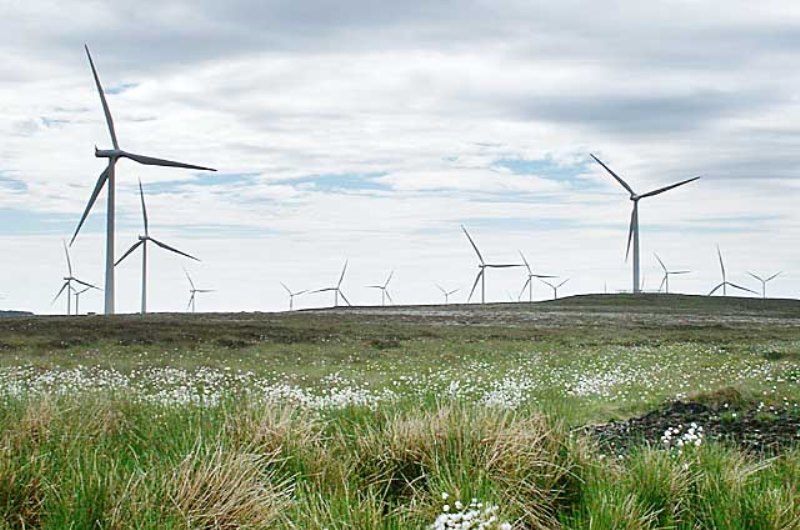
The growth in innovative battery storage is a reflection of renewable energy streaming in from Scottish wind farms. And why not, because that electricity is virtually free, after recovering the capital cost of the turbines. However, a number of Scottish residents are asking ‘please not in my backyard’.
Those Scottish families have a right to be heard. Some live in villages near open countryside attracting the interest of battery farm developers. “It makes us feel like an industrial town rather than a local village,” one resident told a BBC reporter. But then there is also a fire risk too.
Working Through and Addressing Local Residents’ Concerns
The issue at the heart of the matter appears to be safety concerns. These are likely to persist for as long as battery farms use the current generation of lithium-ion batteries. It is common knowledge that faulty ones can generate heat, leading to thermal runaway and even fires.
Scientists at St Andrews University in Scotland are developing alternative sodium-ion technology for grid battery farms. Meanwhile, Scottish Fire and Rescue Service are up to speed with lithium-ion batteries, and how to make innovative battery storage safe and contain thermal runaway.
More Information
Batteries Wind Turbines and Data Centers