Ireland traditionally enjoys a pleasant, milder climate than much of Europe. This is thanks to the Gulf Stream meandering past its western shore. However the Irish Times reports the passing summer has been “hot and challenging” making cooler autumn days unusually welcome. This early indication of the Irish climate change takes place against a global backdrop of more extreme weather “because we have witnessed high temperatures, droughts, wildfires, floods and landslides from the Arctic right down to the tropics.”
Western European and Irish Climate Change in Review

The Irish Times confirms western and northern European weather has been under influence of a stationary “blocking” area of high pressure. This developed when the jet stream moved much farther to the west and north than usual. This band of high level wind steers weather systems around the globe.
The temperature difference was weaker between the mid-latitudes and the Arctic during this period. As a consequence climate systems stalled. Therefore, weather patterns, including heatwaves lingered longer. But attribution science is still young, thus making attempts to link specific weather events to human behavior less precise.
Met Éireann’s Phoenix Park Weather Station Files Report

Attribution studies regarding causes of weather events on the Irish climate change journey are complex and take months. However, Irish weather authority Met Éireann estimates the recent heatwave over Ireland was twice as likely because of climate change.
Phoenix Park’s primary purpose is providing timeous warnings to protect human life and property to the National Emergency Coordination Group. Its work has now aligned with global efforts “to provide robust projections of the future climate”.
Met Éireann’s Evelyn Cusack head of forecasting, and Séamus Walsh, head of climatology and observations provided input for the report. They told The Irish times, “The current weather extremes are in line with previous global and regional climate projections for Ireland. Which we have been producing for over 15 years.”
Related
Climate Change Makes Heatwaves More Likely
Gulf Stream Stalls and Impacts Climate Change
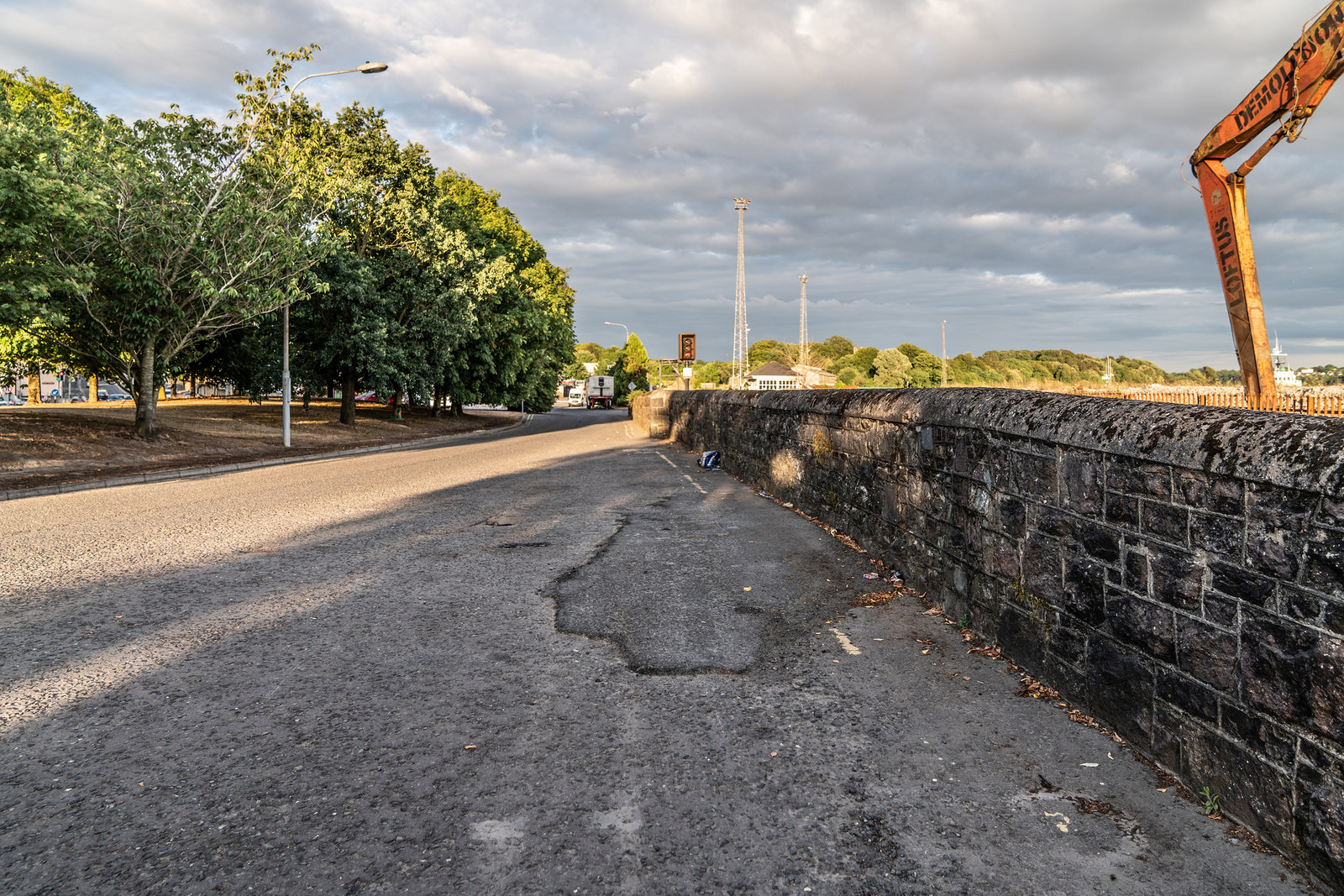
Preview Image: Scorched Grass in Waterford, July 16, 2018