The debate continues around the question whether lithium-ion batteries are healthy for our environment. However, we have to remind ourselves of the reality Earth is steadily warming. But their simple technology is not as easy to dismantle as our lead-acid products. Therefore, we have to ask ourselves is recycling electric vehicle batteries feasible, or not?
How Practical is Electric Vehicle Battery Recycling?
Union of Concerned Scientists posted an update on July 27, 2022. They begin by observing electric vehicle batteries require a different life-end process from other energy sources.
However, recycling research and development has continued for several years. And has contributed to “an existing and growing repurposing and recycling system in North America for these components”.
Recycling Used EV Batteries in Several Phases
Old electric batteries from EV’s are not dead when they each their life end. They just don’t have sufficient energy to power the high technology. And so they enter a new life phase where they recycle into new roles.
- Old electric vehicle batteries still retain up to 80% of their original power, and readily lend themselves for energy storage.
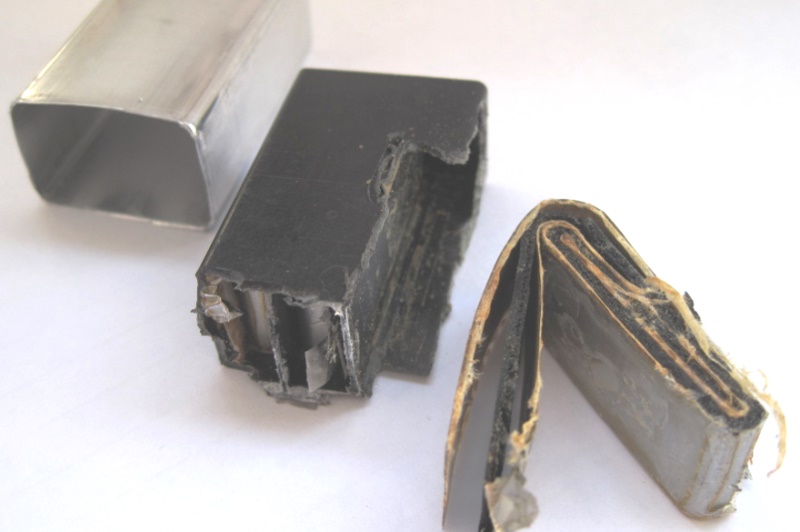
- They can also dismantle down to individual cell level, where these smaller components can find new applications.
- When they finally reach the end of their journey, recycling companies can recover their materials for repurposing in fresh beginnings.
Recyclers Are Recovering Valuable Materials
A number of lithium-ion battery recyclers are already in business in America. They decompose old batteries into plastics, ferrous materials, and non-ferrous materials, and then recover critical cobalt, lithium, nickel, and manganese.
Those materials then form new batteries by merging with the traditional supply chain. So yes, Union of Concerned Scientists says we can recycle these products. The problem is not with the technology. We just need to roll out more capacity.
Breaking News
DOE Loan for Graphite Processing Announced
A Balance Between Batteries and Climate