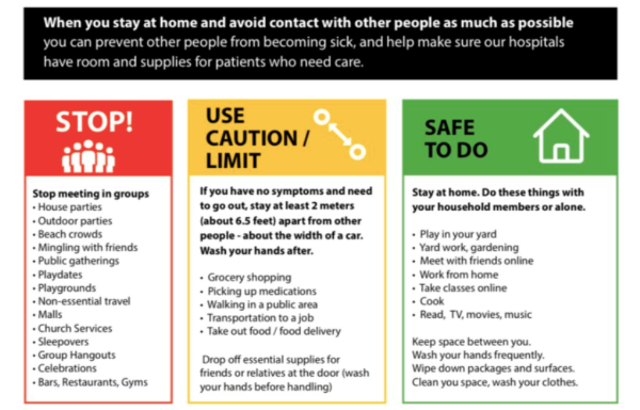
We have become so accustomed to the coronavirus causing COVID-19, that we overlook basics which could be a bad thing. We were therefore pleased when we stumbled over an update by John Hopkins Medicine, and decided to curate it here. The John Hopkins review of coronavirus status kicks off by reminding us we do not yet have a vaccine. What therefore happens is very much up to us.
John Hopkins Review of Coronavirus Status and How It Spreads
The coronavirus spreads through droplets of moisture from an infected person when they cough or sneeze. However the droplets can only travel a few feet, where after they fall onto a surface. This is the reason why physical and social distancing so effectively prevents the spread of the disease.

However, if it does cross over to another person, then the symptoms may only show during a 14 day window. The John Hopkins review of coronavirus status confirms these symptoms may include a cough, a fever, or shortness of breath. Other warning signs are aching muscles, sore throat, headache, diarrhea, and loss of taste and smell.
The Importance of Discussing Symptoms with a Care Provider
We should not delay for a moment if we suspect we may have caught the virus. That’s because we could infect those whom we love. We should instead retire to a private room, put on a face mask, and call our doctor or health care provider.
If this proves impractical for any reason, we should call the U.S. universal emergency number 911 for help. The same applies if we notice somebody we know is struggling with those symptoms.
There is no specific cure for the COVID-19 disease. The best doctors can do after a positive test, is treating the symptoms with supportive measures. The John Hopkins review of coronavirus status confirms there are three ways to protect ourselves. These three ways are good hygiene, responsible breathing, and physical and social distancing. Over to us.
Related
Do Genetics Play a Role in COVID-19 Mortality?
How a COVID-19 Epidemic Peak Works
Preview Image: Distancing Reduces Spread