Could lead-acid energy storage for grid applications finally come of age? Scientists at Georgia Institute of Technology are trialing it right now. After all, the technology is safe, reliable, and non-flammable. Not to mention its high discharge rate, relatively low cost, and 95% material recycling success. This is a serious study at a prestigious academic institution.
Why Are They Trialing Lead-Acid Energy Storage Now?
Georgia Tech’s Strategic Energy Institute, has a mission to create energy systems that are affordable, secure, and reliable. Energy innovation using current resources is therefore alive and well across all colleges.
The old ways of distributing electricity from very large power plants are fading away, they say. Our world is adopting renewables through use of smart grids, micro grids, small-scale producers, and energy storage. Georgia Tech is creating enabling technologies to draw these resources together.
Georgia Tech’s Ground-Breaking Trial
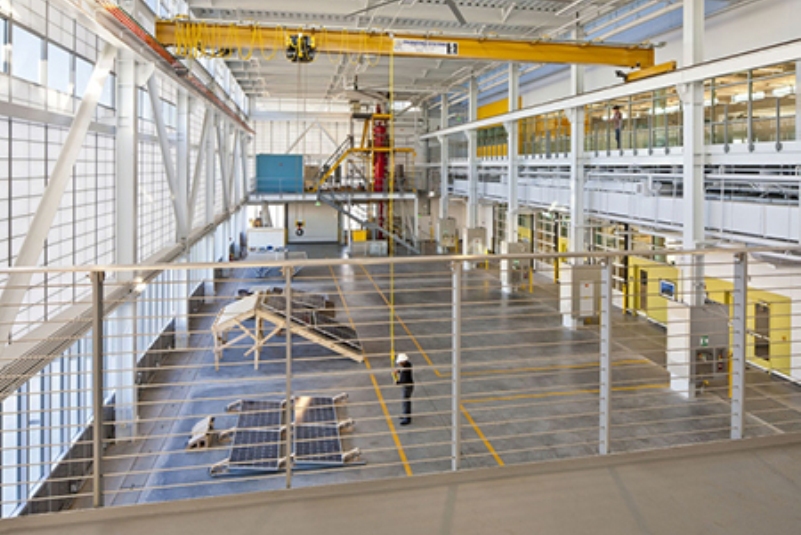
The lead-acid energy storage trial is taking place at Georgia Tech’s Carbon Neutral Energy Solutions laboratory building. The scientists working there chose a lead-acid battery storage system (BESS) for their project, after extensive research demonstrated its reliability according to Stryten Energy.

The battery energy storage unit will serve as a laboratory, where inter-disciplinary teams can research and test applications in real time. The facility will allow them opportunities to time-shift peak solar input, in order to meet late afternoon demand load.
“Georgia Tech envisions our campus as a dynamic laboratory and experimental test bed,” explains a senior manager. “We are creating mini ecosystems that yield valuable situational data, to help chart a path for innovative energy research, well beyond the campus.”
More Information
BESS is More than a Friendly Brown Cow