
Before we fret about running out of lithium for batteries, we should consider all the other applications that would suffer too. You may be surprised to know that batteries are a relatively new application, although they do already account for 35% of production. We would like to mention lithium is unstable, and you should therefore not use it in any experiments at home.
Ceramics and Glass Lagging Behind Lithium for Batteries
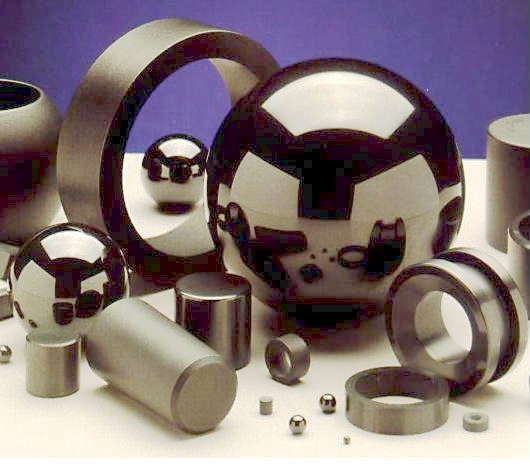
Demand for ceramic and glass using lithium has fallen to 32% of total as battery use rises. However, lithium oxide is still an important flux for processing silica, because it lowers its melting point and viscosity. The third most popular use, lubricating grease is far behind that of lithium for batteries though.
None the less, the paltry 9% of total lithium demand makes a valuable contribution for thickening oils. And producing all-purpose, high-temperature lubricating greases too. A further 5% of annual lithium production plays a useful role in continuous casting of semi-finished steel slabs. That’s because it increases fluidity as is the case with ceramics and glass.
Lithium Also Performs a Number of Smaller Useful Roles
Some 4% of lithium plays a valuable part in metallurgy, by promoting fusing during soldering. Lithium alloys of aluminum, cadmium, copper and manganese also make high performance aircraft parts.

The material makes useful contributions to pyrotechnics, air purification, specialist optic lenses, and fine polymers. Unfortunately there is a distinctly unfriendly side to lithium too. Natural lithium contains about 7.5% lithium-6 from which large amounts have been produced by isotopic separation for use in nuclear weapons.
Lithium batteries are a stop-gap solution at best. They will fade from the world stage when something safer arrives. We wonder what will happen to the stockpiled lithium when that happens. And the jobs of those special people who mine it for us too.
Related
Lithium Batteries Ground Flights Every 10 Days
Lithium Button Batteries Safety Tips for Kids
Preview Image: Astronomers Have Found Lithium on Nova Centauri 2013