The Infyos company uses artificial intelligence to unpack the lithium-ion material supply chain, so energy transition is fast and sustainable. The company claims access to a very large source of data, that it hopes will help its clients comply with emerging government policies. We publish what follows in the public interest, although we don’t necessarily underwrite every word of it.
Is 75% of the Lithium-Ion Material Supply Chain Flawed?
Infyos does not place its data in the public domain, because it is in business to make money. We were, however, able to obtain valuable insights, by visiting other authority sources including Bis Infotech website.
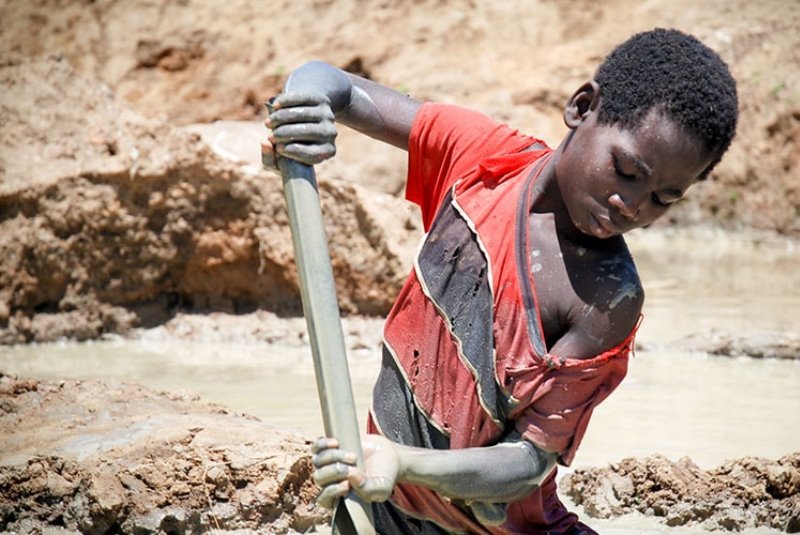
Most lithium-ion battery raw materials come from mines in Asia and Central Africa, where labor practices may vary from Western norms. Data from Infyos suggests that over two-thirds of lithium-ion material supply chains contain at least one link to questionable labor practices, by our standards at least.
This same challenge affects many other industries, and investors seeking to work with like-minded people. We find this in our world of batteries too, and suspect it may be rife throughout the renewable energy industry.
Is This a Symptom of The Mining Industry At Large?
The Infyos finding does not entirely surprise us. Mining has invariably been a highly destructive activity, that leaves our Earth permanently scarred. Working conditions below ground are by their very nature dangerous. Mines may employ poor people at low labor rates, who are grateful for what they can get.
This is one of the reasons why we promote organic, natural ways to store energy, as opposed to destructive chemicals sourced underground. What Infyos says may be true, or partly true of lithium-ion material supply. The current situation will probably continue, for as long as there is no proven alternative.
More Information
Those Vulnerable Children Inheriting the Earth
Will We Ever Have Child Labor-Free Batteries?