“It hasn’t been on our radar screens,” says Peter Maurer, president of the ICRC of Mali. In fact the landlocked country in the bulge of Africa bordering on the Sahara hardly gets a mention outside of war reports. Yet in the background, the temperature in the country named after the hippopotamus will increase 1.5 times the global average.
Mali is at “The Heart of a Gathering Storm”

“We often look at arms and armed actors, and maybe at underdevelopment,” Peter Maurer of the International Committee of the Red Cross continues. “But now we see climate change is leading to conflicts among communities and this is a different kind of violence.”
The Sahel, including northern Mali, Niger, Burkina Faso, Chad, and Mauretania contains some of the world’s poorest, most fragile states. “The fragility of Mali stares you in the face,” Peter Maurer told the media. A vast crowd surrounded him in a cramped camp for families fleeing insecurity and hunger across northern Mali. Moreover, “The fragility here has lasted decades,” he lamented.
The Country is Lurching Between Droughts and Floods
Recurring droughts and floods are lasting longer in the ravaged country. “There have always been small clashes between herders and cultivators,” Hammadoun Cisse, a herder explains.

“But water levels are decreasing and that’s creating a lot of tension,” the head of a reconciliation committee adds. Moreover, religious fanatics are hoping to capitalize on the situation by manipulating ‘this combustible mix’. Every story Lyse Doucet of the BBC comes across in Mali is “a tale of multiple threats, all terribly tangled.”
Temperatures across the Sahel increased nearly 1ºC since 1970. Roughly 80% of the land is degraded, eroded and deforested. Farmers are flocking to the cities to look for work because their livestock perished, and to escape the encircling conflict over resources.
Related
Effects of Climate Change: Transpiration
Dried River Beds Are Adding Extra Carbon
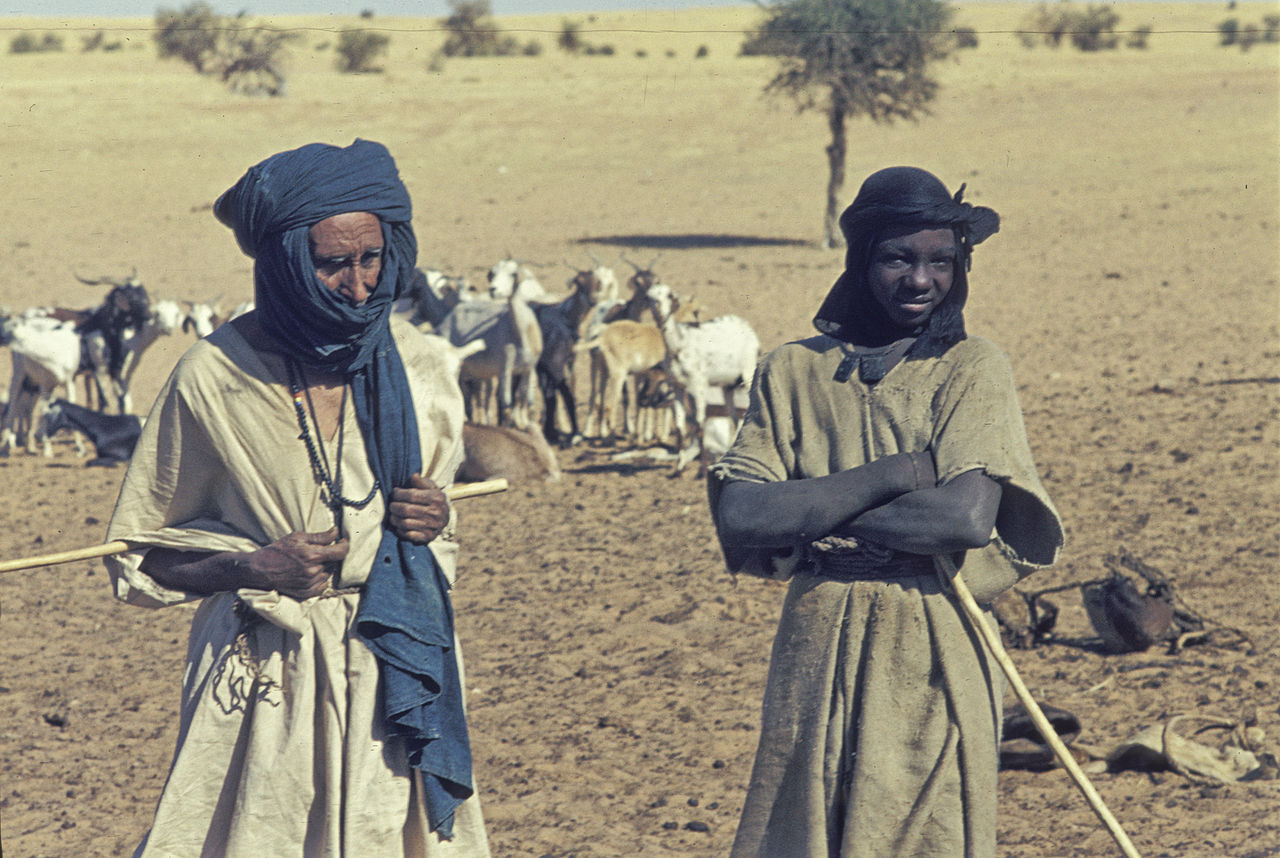
Preview Image: Tuareg Nomads in Mali