NASA’s Earth Observatory geographer Wolfgang Buermann believes plant transpiration may either accelerate, or slow down climate change. Plants use photosynthesis to attract carbon-dioxide from the atmosphere. They then convert it to carbohydrates, the basis for the food chain. Hence, carbon dioxide is a source of life, although too much of it is bad.
How Plant Transpiration Affects the Atmosphere
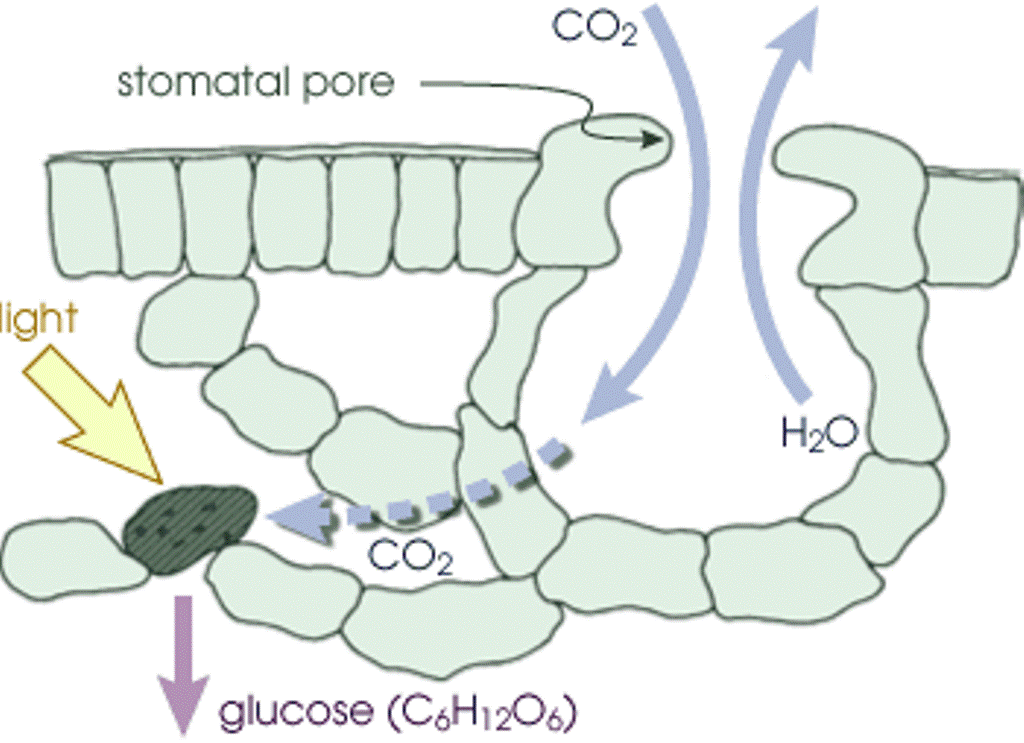
When the sun sufficiently raises atmospheric temperature, plants ‘sweat’ by releasing excess water, thereby cooling themselves and the air. Large amounts of transpired water above forest canopies can induce cloud cover and rain. This further helps cool the space below.
It therefore follows that planting more trees could help slow down global warming through increased transpiration. However, trees only flourish within their accustomed temperature range. The Intergovernmental Panel on Climate Change believes Earth’s temperature will rise another 1.4 degrees to 5.8 degrees by the end of this century.
What Might Happen if Earth’s Forests Begin to Die
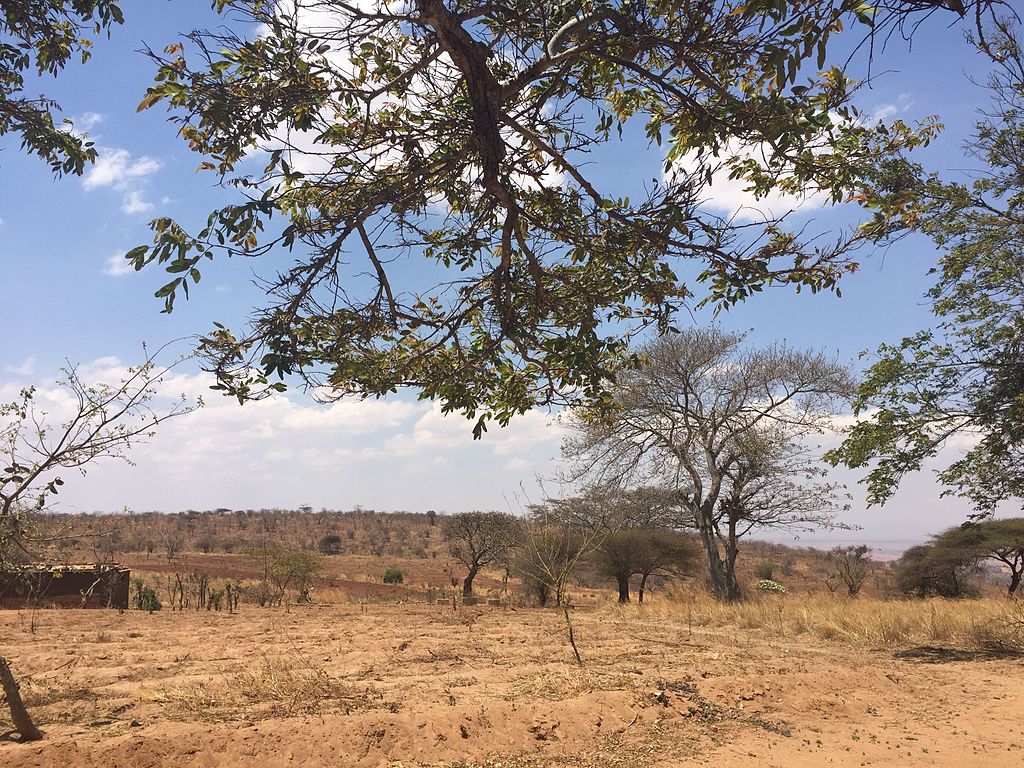
Concerned scientists believe rising temperatures could lead to widespread droughts, and forests dying off because new saplings cannot take root.
Less atmospheric carbon will convert to carbohydrates through transpiration. The loss of vegetation could result in higher surface temperatures.
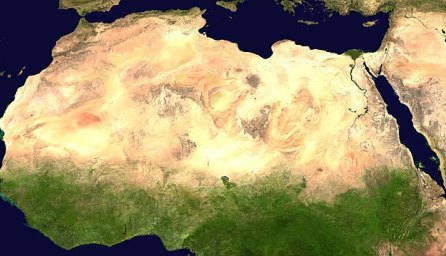
Researchers have been using polar orbiting satellites to observe Earth’s vegetation by interpreting bands of colored light. In 2013, Climate Central reported vegetation had increased north of the equator over the previous 30 years. However, it had steadily declined south of that. The Sahara region was once Earth’s breadbasket, but now is mainly shifting desert sands.
Why Is Vegetation Decreasing in the Southern Hemisphere?
Climate Central reported the greatest losses were in Tanzania, Zimbabwe, and other parts of Central Africa. “We assume that this [deforestation] was caused by clear cutting, the transformation of rain forest into plantations, or changes in agriculture in general”, they said. However, their calculations only accounted for 90% of climate change.
Climate Central believed the remaining 10% of the outcome was due to “unexplained effects of the interactions between humans and the climate.” The reasons have become clearer since. One of them is evidently more atmospheric carbon dioxide than remaining vegetation can transpire.
Related:
Outcomes of Climate Change: Severe Drought
Outcomes of Climate Change: Fast Evaporation
Preview Image: Sahara Region