Concrete manufacturing contributes 8% of global CO2 emissions. Furthermore, it has been doing so for far longer than steam and petroleum engines. There were concrete floors in Syria and Jordan 8,000 years ago. While the Romans were making concrete domes at the beginning of the current era. How bad is this massive CO2 emitter, and what can we do about it?
How This Massive CO2 Emitter Works Behind the Scenes
If the massive concrete CO2 emitter were a country, then it would be the third worst polluter after China and the United States. However the emissions happen worldwide, making the situation even harder to control.
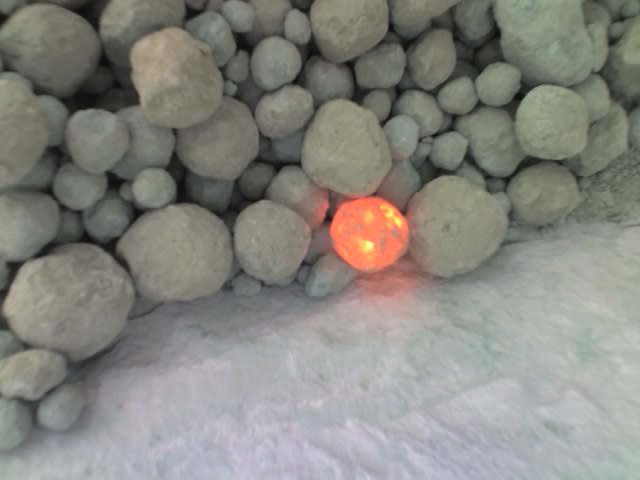
To provide another view of scale, aviation fuel contributes 2.5% of global CO2 emissions and agriculture 12%. Concrete CO2 pollution occurs during manufacturing clinker for cement and this is how the first phase happens. First, a mine quarries clay and limestone and crushes it. Next, they grind the result after adding iron ore or ash. Then they feed this into a kiln and heat it to approximately 1,450ºC (2,640ºF) in a process called ‘calcination’.
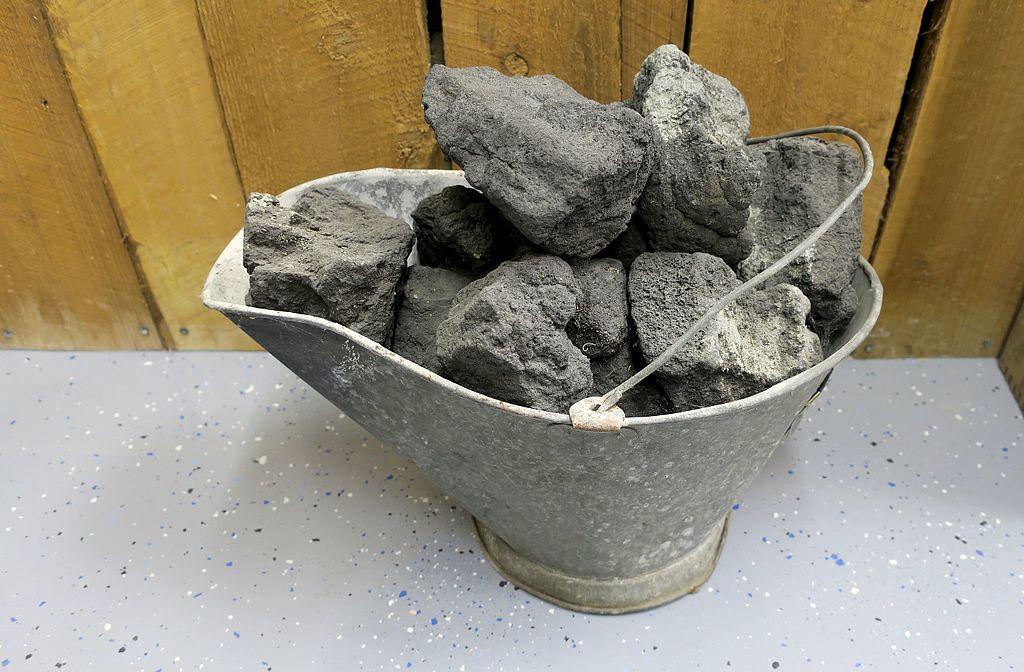
Calcination splits the material into calcium oxide and CO2 gas. Research group Chatham House believes we need to reduce CO2 emissions by 45% by 2030 to meet Paris Agreement targets. They are worried use of this massive CO2 emitter is set to grow 25% by 2030.
So what to do? We cannot stop progress but we can innovate. A company called BioMason is copying coral by injecting microorganisms into molds containing sand. The process takes four days and occurs at room temperature. However, the small number of major cement producers does not appear keen to change technology fast.
Moreover, architects, engineers, contractors and their clients are logically uncertain about changing traditional building materials on large projects. The time for change is shrinking. We must accelerate substitution of concrete with a viable alternative.
Related
Concrete is a Major Greenhouse Gas Emitter
Homes Becoming Batteries Using Concrete
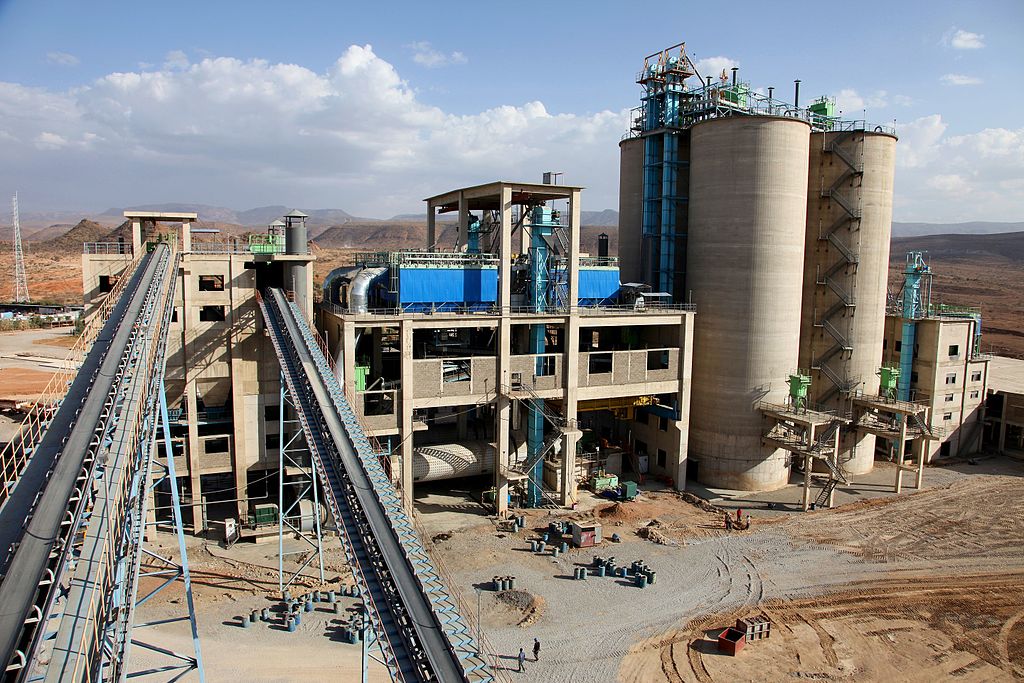
Preview Image: Cement Factory in Ethiopia