We’ve known for a while there is a small danger of developing blood clots after Astra Zeneca vaccine. However, there is increasing evidence of more serious risk of blood clots after COVID itself. We review the evidence, and conclude the vaccines are far safer than not having them, and catching the disease.
Evidence of More Risk of Serious Blood Clots after COVID
Swedish scientists published a report on the topic in British Medical Journal on April 2, 2022 as we link to below. They noted people with severe COVID symptoms during the first wave had the highest blood clot risk for the disease. A blood in a vein can stop the blood flowing, and potentially lead to a heart attack or stroke.
However, they do concede these clots may also occur after vaccination, although the likelihood is far smaller. Therefore, they reaffirm the importance of having the vaccination. Their research covered 1 057 174 people who tested positive for SARS-CoV-2 between 1 February 2020, and 25 May 2021 in Sweden.
The researchers first ensured balance within their sample for age, sex, and county of residence. They used records of 4 076 342 control subjects as their benchmark for this. And then they used statistical regression to estimate the likelihood of blood clots occurring with 95% confidence level.
What the Scientists Discovered During Their Survey
The Swedish researchers noted an increased risk of serious blood clots after COVID in terms of the following:
1… Deep vein thrombosis or blood clots in the leg for as long as 3 months.
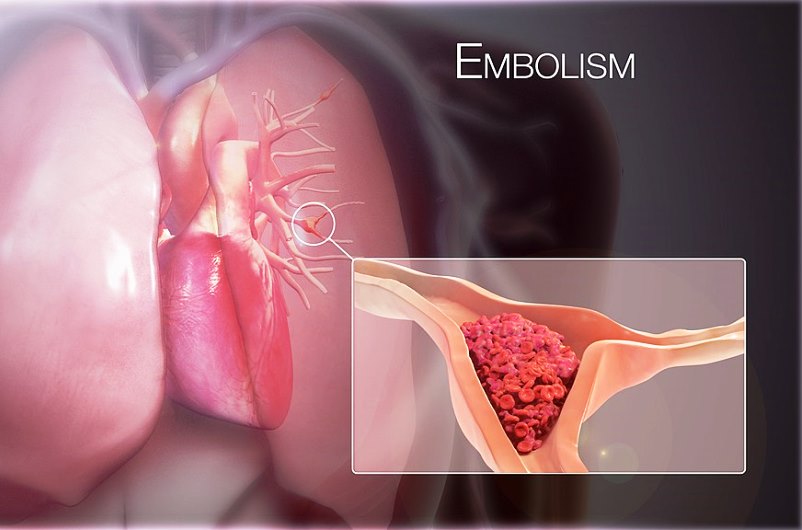
2… Pulmonary embolism or blood clots in the lungs for as much as 6 months.
3… A stroke affecting brain blood supply, or internal bleeding for up to 2 months
The comparisons were significant. Four times as many patients with COVID developed deep vein thrombosis. Seventeen times more patients with COVID developed embolisms.
Breaking News
Single U.S. Adults Report Dating is Harder
Shanghai COVID Cases Approach Wuhan’s