As technology matures, and nickel-cadmium batteries go to work, thei reputation depends on what they actually do.
They were particularly valuable in situations where equipment could not afford to stop working. Industrial plants, railway systems, telecommunications equipment and emergency installations all needed dependable electrical power.
Nickel-Cadmium Batteries Could Provide This
Nickel-cadmium batteries could provide this, while tolerating repeated charging and demanding operating conditions.
One of their important characteristics was their ability to deliver substantial current without requiring a very large battery. This made them useful for equipment that needed a powerful electrical supply for short periods.
Their Durability Was Equally Important
Their durability is still equally important. Industrial batteries often have to operate for years. This was sometimes in environments where temperature changes, vibration and irregular charging were unavoidable.
When nickel-cadmium batteries go to work this way, they cope with many of these conditions. And better than some competing rechargeable technologies too.
They Also Became Increasingly Important In Aviation
They also became increasingly important in aviation. Aircraft batteries have demanding requirements, because they must function reliably while exposed to vibration, temperature extremes and strict weight limitations.
Nickel-cadmium batteries became established in this field and remained important for many years.
Dependable Working Batteries Rather Than Experimental Devices.
By the middle of the twentieth century, nickel-cadmium batteries had therefore developed a reputation for being dependable working batteries rather than experimental devices.
That Reputation Helped Open Another Enormous Opportunity
That reputation helped open another enormous opportunity: portable equipment.
As electrical and electronic devices became smaller, engineers wanted batteries they could carry easily while still being rechargeable. Nickel-cadmium cells were well suited to this challenge.
But Widespread Use Brought a New Problem To Light
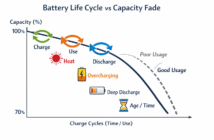
But widespread use brought a new problem to light. Users noticed that some nickel-cadmium batteries seemed to lose part of their usable capacity, when they repeatedly charged and discharged,
More Information