Nickel-hydrogen batteries were different to many other rechargeable batteries. That’s because they used hydrogen gas as an active material at the negative electrode.
In conventional nickel-cadmium chemistry, both electrodes contain solid active materials. Nickel-hydrogen cells instead combine a nickel-based positive electrode with hydrogen stored inside a pressure vessel.
This Arrangement Brought Several Advantages
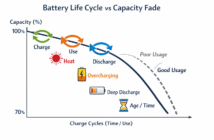
One of the most important of these was long cycle life. Satellites in low Earth orbit repeatedly as they pass through sunlight and darkness. Their batteries must discharge while solar power is unavailable, and recharge when sunlight returns. This happens again and again throughout the mission.
Nickel-hydrogen batteries were different as they proved capable of enduring many such cycles. This meant they were useful for long-running satellite power systems.
They Also Offered Good Overcharging Tolerance
They also offered good tolerance of certain overcharging conditions, when they operated within their design limits. This could help engineers manage charging in spacecraft systems, although suitable controls remained important.
However, The Technology Had Disadvantages.
The pressure vessel added weight, bulk and manufacturing complexity. The battery also required careful engineering to contain hydrogen safely and maintain reliable operation.
Its cost could be higher than that of alternative battery technologies. Furthermore, nickel-hydrogen chemistry generally stored less energy per unit of weight than later lithium-ion designs.
Nickel-Hydrogen Batteries Were Especially Valuable
These trade-offs explain why nickel-hydrogen was especially valuable in applications where reliability and cycle life mattered more than achieving the smallest possible battery.
Their success showed that battery performance cannot be judged by energy capacity alone. Service life, safety, operating conditions and maintenance requirements all influence which technology is best suited to a particular task.
For spacecraft engineers, nickel-hydrogen batteries offered a practical balance of durability and dependable performance.
More information