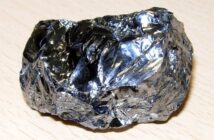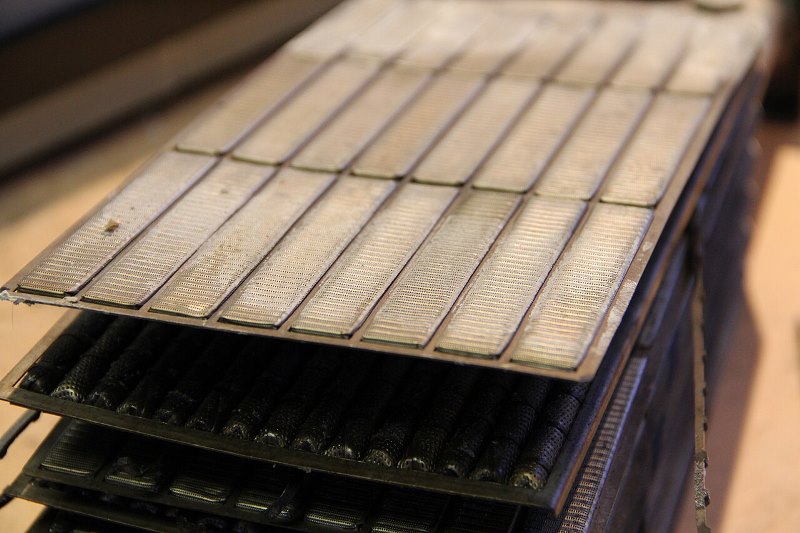
A rechargeable nickel-ion battery has nickel-oxide-hydroxide positive plates, and iron negative plates with an electrolyte of potassium hydroxide. The active materials are in nickel-plated tubes or pockets, so they never come in direct contact with the electrolyte. Many folk believe Thomas Edison invented the chemistry. Read on and discover nickel-iron battery history you may not know.
Delving Into the History of Nickel-Iron Batteries
Ernst Waldemar Jungner was born in 1869 in Västra, Götaland County, Sweden. He was a sickly lad who loved to concentrate on his books and studies. But he also had an inventive mind, although few people recognized his talent.
He happened to be traveling by train one day in 1890, when he had a spontaneous idea. What if, he thought, I could save that energy that was only used once? He imagined saving the energy from a waterfall to propel a train.
And so Jungner came up with the idea of an accumulator battery with an invariable basic electrolyte that never ran out. This would be something like a lead-acid battery except it did not need topping up.
He realized this would only be possible if the electrolyte conducted the electric current without touching the active materials. After many experiments he settled on a nickel-iron combination encased in metal tubes, which he patented in Sweden in 1897.
Thomas Edison Patents the Same Idea Four Years Later
Nickel-iron battery history took a different turn when Thomas Edison innocently patented a similar idea in the United States in 1901. Tekniska Museum in Sweden believes Edison won the patent right battle that followed, because he had ‘larger economic resources’.
Whatever the case, an event took place in 1928 that proved the quality of Ernst Waldemar Jungner’s work. Italian North Pole explorer Umberto Nobile was trapped on the ice after his airship came down.
A seaplane few over and dropped several fresh batteries for Nobile’s transceiver radio. Only one battery worked, and that one was Jungner’s. A Russian warship contacted them and later rescued the survivors.
More Information
Thomas Edison’s Nickel-Iron Batteries