Nickel-cadmium batteries helped establish rechargeable power as a practical choice for portable equipment. However, engineers wanted batteries that could store more energy without becoming larger or heavier. As things turned out nickel-metal hydride were the next step.
Nickel-Metal Hydride Batteries Offered An Opportunity
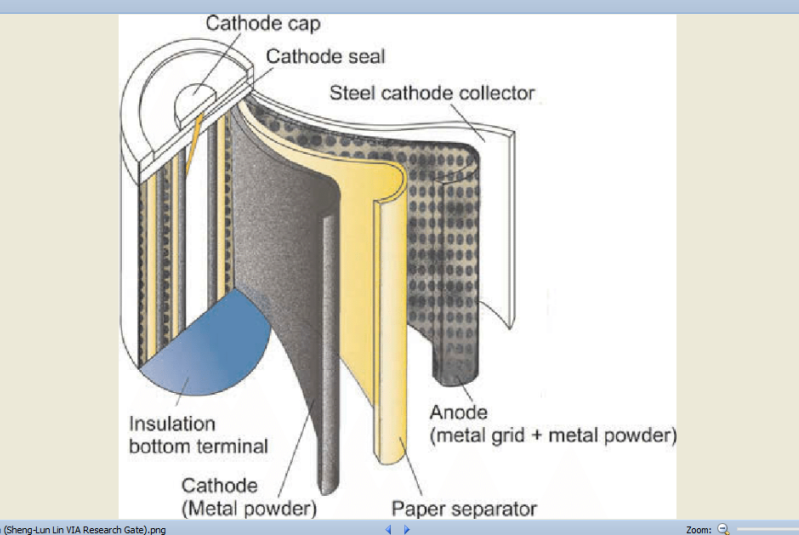
Nickel-metal hydride, or NiMH batteries, retain the nickel-based positive electrode used in nickel-cadmium batteries. The major change is at the negative electrode. Instead of cadmium, the new battery uses a special metal alloy capable of absorbing and releasing hydrogen during charging and discharging.
This change brought two important advantages. First, NiMH batteries generally stored more energy for their size and weight than comparable nickel-cadmium cells. Second, they avoided the use of cadmium, reducing one significant environmental concern associated with the older technology.
Developing Nimh Batteries Was Not Straightforward
Developing NiMH batteries was not straightforward. Engineers had to find suitable hydrogen-absorbing alloys, and overcome problems involving corrosion, charging efficiency and battery life. Progress in materials science eventually made commercially useful cells possible.
During the 1990s, nickel-metal hydride batteries became increasingly common in portable electronics, rechargeable household batteries and hybrid vehicles. They were particularly useful where manufacturers wanted greater energy storage than nickel-cadmium could provide.
But NiMH Batteries Were Not Perfect Replacements
Nickel-metal hydride were the next step. But they were not perfect replacements. They could suffer from self-discharge during storage, and their performance depended on the particular design and operating conditions. Nevertheless, they offered a valuable compromise between energy capacity, cost and practical reliability.
Lithium-Ion Subsequently Became The Next Choice
Lithium-ion batteries subsequently became the preferred choice for many mobile electronic devices because of their higher energy density. Even so, nickel-metal hydride batteries remain important in certain applications, including established hybrid-vehicle designs.
The transition from nickel-cadmium to nickel-metal hydride illustrates how battery development often works. Engineers retain proven components while replacing materials that limit performance or create environmental problems.
More Information