Lithium batteries come in a range of varieties nowadays. However they all have two things in common. These are the relatively high storage densities the rare earth metal allows, and an inclination to overheat under certain conditions. Scientists have found a way of preventing explosions in lithium batteries, with quasi-lithium metal cathodes.
Preventing Explosions In Quasi Lithium Batteries
A quasi metal material is a modified version of the original substance, intended to perform better in a particular application. Quasi lithium could be one such alternative in next-generation solid battery cathodes, but for one complication.
In principle though, this option still looks great on paper. That’s because quasi-lithium cathodes could theoretically store 30% to 70% more energy than existing alternatives. This is possible through ‘high-voltage charging of over 4.5V’, according to Ulsan National Institute of Science and Technology.
This achievement could, again in theory, allow electric vehicles to achieve driving ranges of up to 625 miles. However, there is a catch that prevents this happening right now:
- Oxygen becomes trapped inside the quasi-lithium cathode.
- This oxygen can oxidize and release in gaseous form.
- This chain of events can pose a ‘significant explosion risk’.
The Ulsan National Institute of Science and Technology applied their minds to preventing explosions in quasi lithium batteries, and appear to have found a solution.
Preventing Oxidation in Modified Lithium Cathodes
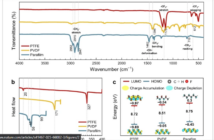
The researchers found their answer in transition metals that have lower electro-negativity characteristics. When they substituted some of these transition metals in the quasi lithium material, the following happened:
- Electrons accumulated around the more electro-negative of two elements.
- This increased the availability of electrons for the transition metal.
- This in turn, prevented oxidation of oxygen, removing the explosion risk.
However, when there were insufficient available electrons in the transition metal, the oxygen substituted and released electrons. This triggered the oxidation leading to the gas emission, and explosion risk.
The modified quasi lithium cathode also induced a rise in charging voltage, owing to its greater energy storage density. ‘This principle is akin to how a dam can store more energy, the more water it has, and the greater the height of the fall’, the researchers observe.
More Information
Safe Efficient Lithium-Ion Quasi-Solid Battery
Better Electric Vehicle Batteries on Horizon
Preview Image: Part View of Ulsan National Institute