A radioisotopic thermoelectric nuclear battery converts the heat from decaying radioactive material into electricity. This modern miracle occurs when there is a thermal temperature variance between two different conductors. Space probe Voyager 1’s radioisotope thermoelectric generator is 47 years old now, and gradually running down.
The Voyager 1 Radioisotope Thermoelectric Battery
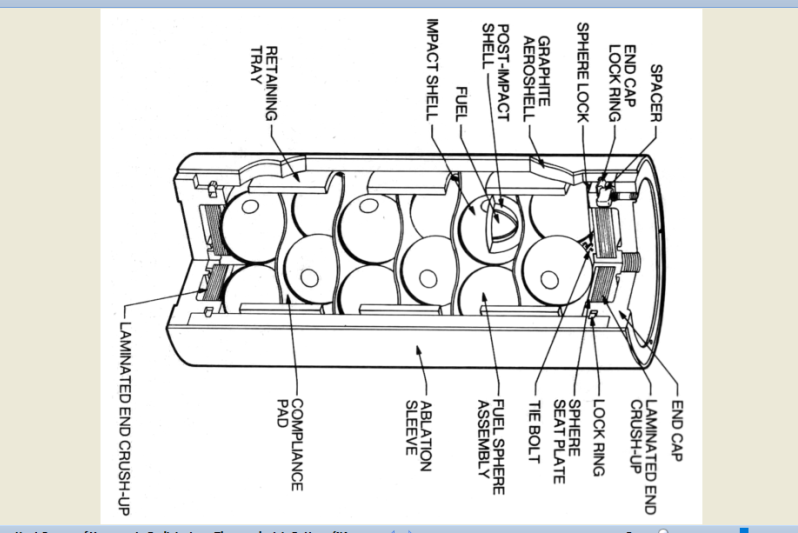
Voyager 1’s nuclear battery set comprises 3 identical radioisotopic thermoelectric generators, on a boom. Each generator contains 24 pressed plutonium-238 oxide spheres, with a half-life of 87 years.
Although the radioisotope thermoelectric generator is 47 now, it produced 470 watts of power at the time of the launch. However, the thermocouples containing the different conductors are wearing out.
The year 2025 marks a critical moment when the nuclear battery can no longer support all Voyager 1’s systems. This means the space probe is losing its ability to communicate with earth, although it will continue traveling through space on its own momentum.
Work of The Radioisotope Thermoelectric Battery
A mighty Titan rocket thrust the 1,500-pound Voyager 1 into space, aboard a launch vehicle in 1977. Once it was flying freely, the probe’s radioisotopic thermoelectric nuclear battery took over, as the sole power source for its systems.
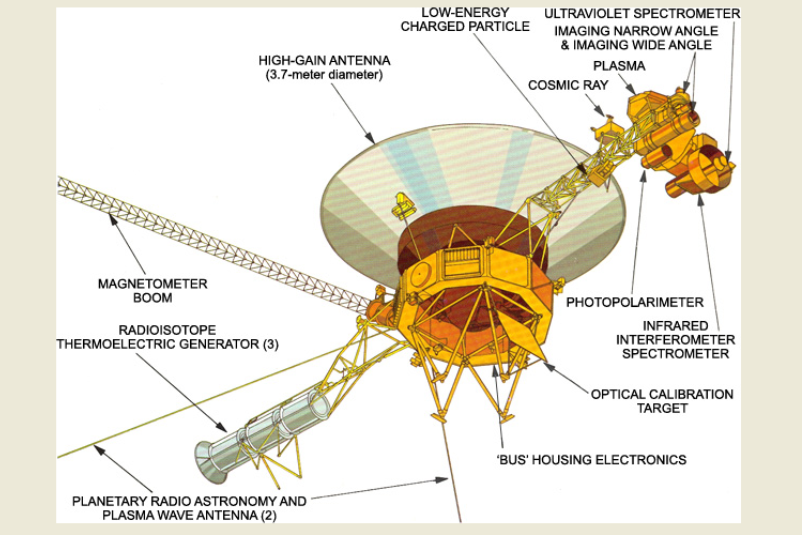
These systems include basic digital computers controlling the scientific instruments on board:
- One subsystem controls the cameras, while another is responsible for keeping the antenna pointing to earth, and holding communications open.
- The major instruments on Voyager 1 include a two-camera system, and a radio science system to determine properties of planets and satellites.
- Other systems, too numerous to mention here, monitor aspects of the extraterrestrial environment, as Voyager 1 travels to unknown realms.
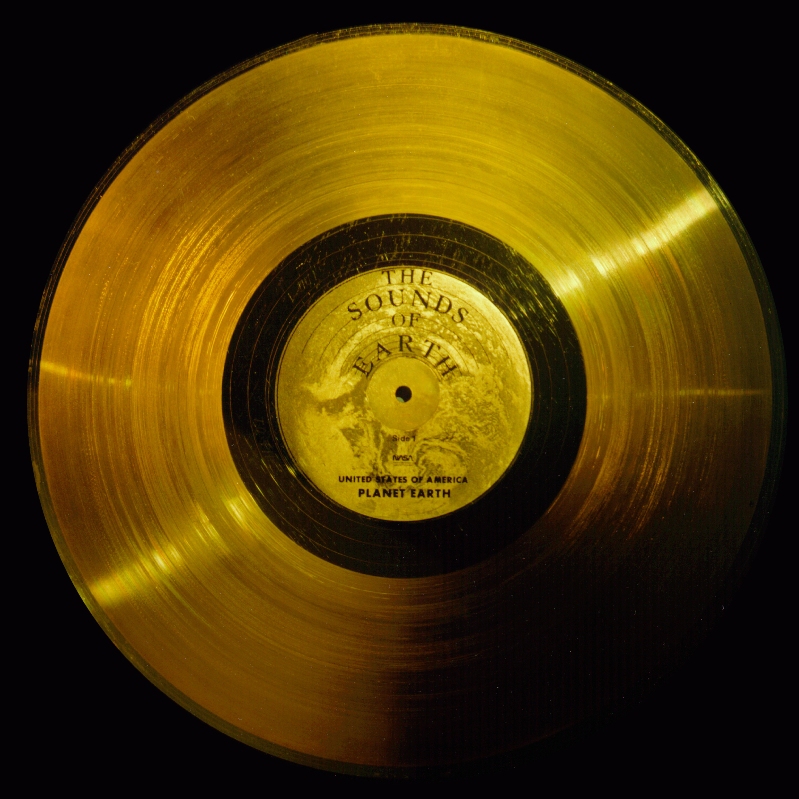
The radioisotope thermoelectric generator is 47 now, and gradually shutting down. The time will come soon when the instruments must begin to fail. However, a gold-plated long-playing record from the 1970s will live on, and allow curious extra-terrestrials to experience the sounds of mother earth, far, far way.
More Information
Thermonuclear Battery For 50 Years Talk Time
Thermonuclear Experimental Reactor Update