The Arctic extends south as far floating sea ice reaches. This is a loose description because this boundary varies according to the season. The border will shift northwards during global warming. Scientists are fearful of the results of global warming continuing and causing sea level rising. The first rapid climate shift event is happening as we write in the Arctic Barents Sea.
How Do We Know This is a Rapid Climate Shift Event?

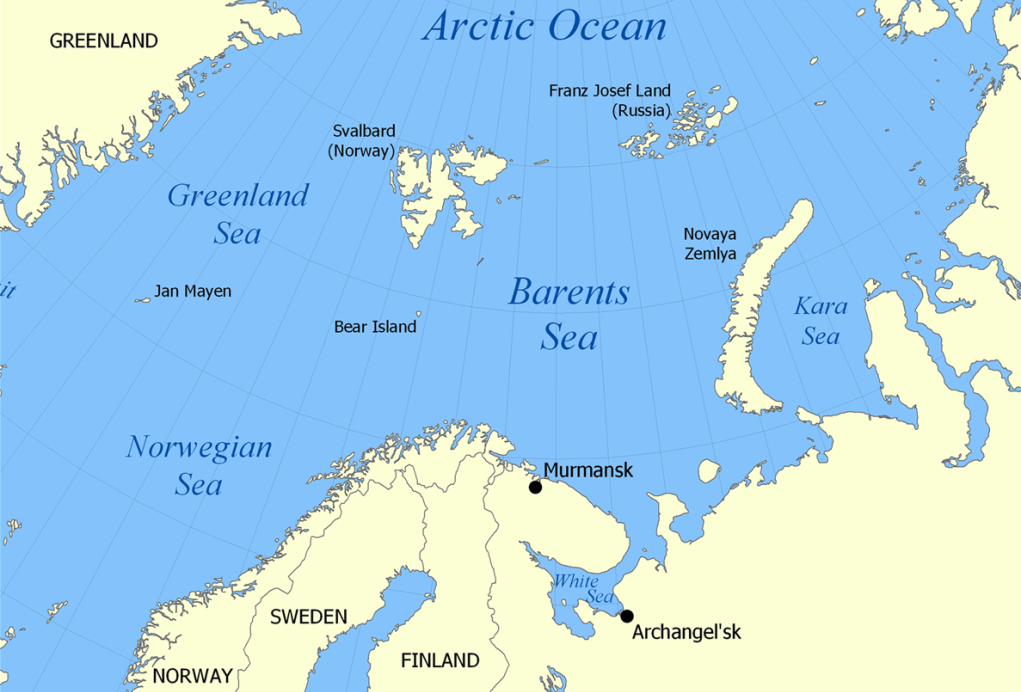
The Arctic Barents Sea is off the northern coasts of Norway and Russia. This is where Arctic ice sheets break up and disintegrate into smaller chunks of ice that finally melts completely. This happens at a tipping point where the surface water is sufficiently warm.
Scientists have warned the Barents Sea could become entirely ice free within ten years. This would move the Arctic frontier eastwards to the Kara and Laptev Seas. They fear this will be the first ever rapid climate shift event because they doubt it could reverse. It will affect eco-systems. It may also impact global weather patterns although we don’t yet exactly know how.
What is Causing this Rapid Retreat of Arctic Ice?
A layer of colder, fresh water floats on the warmer Arctic Ocean below. This caps the temperature and enables sea ice. Melting glaciers and floating ice have traditionally supplied this fresh water in springtime since time immemorial. However global warming of the Barents Sea is disturbing this pattern.

There is less and less freshwater-rich ice floating on the surface of the Barents sea. Warm, salty Atlantic water is rising up and melting the rest. A feedback loop is worsening the situation. The surface gets warmer as the layers of water mix.
Scientists fear it is ‘only a matter of time’ before this part of the Arctic ‘becomes part of the Atlantic’, because there is no more floating ice. We could see this first ever rapid climate shift event confirmed in ten years’ time, they warn.
Related
Total Greenland Ice Sheet Melt: A Preview
Arctic Region Under Threat from Shipping
Preview Image: Barents Sea North of Norway in the Arctic