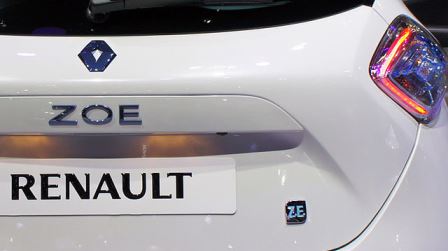
EV vehicles have embedded themselves in our culture. The question now arises how we should go about recycling electric vehicle batteries. Renault has 120,000 Zoe EV’s on the road already. Moreover their batteries are 22 kilowatt-hour lithium-ion ones. We need an interim solution, because recycling still has to catch up with a cost-effective way to re-purpose them. This is increasingly relevant since Renault is planning a 41 kilowatt-hour version to extend driving range to 250 miles.
Renault’s Next Challenge is Recycling Electric Vehicle Batteries
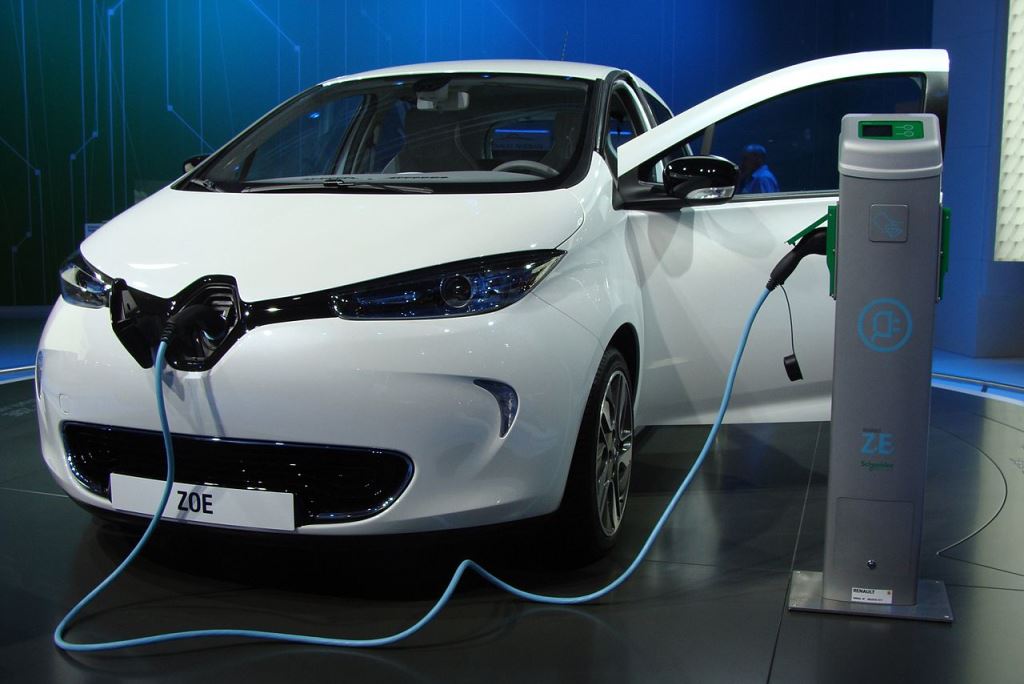
Renault rents lithium-ion batteries to its customers because it finds this a good way to reduce capital cost. However, it has begun accumulating a stockpile as vehicles age without an obvious solution. But that was until it searched for a green way of recycling electric vehicle batteries.
The French manufacturer has realized there is value in lithium-ion car batteries still retaining 70% of capacity. Why scrap them, it asks. They may no longer deliver an acceptable driving range. So we should find another way to consume the remaining potential. This makes sense, as they would thereby have ‘double green’ lives.
A Softer, Greener Way to Extend EV Battery Life
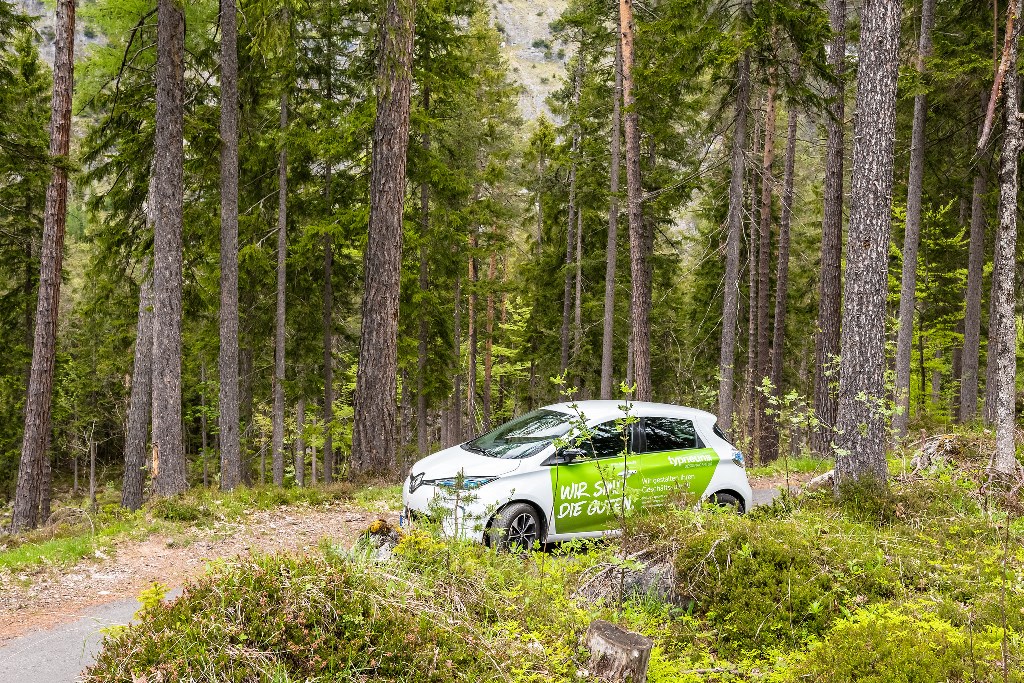
Home solar energy is not as demanding as electric vehicles are, where every driving range mile matters. Renault is partnering with a solar panel manufacturer to supply the batteries to homeowners at a lower price. Everybody scores this way. Electric vehicles and home solar energy both become more affordable, while we have breathing space to find recycling solutions.
Earth breathes a sigh of relief as carbon substitutes draw closer, and are now almost within reach. Renault and its solar power partner are conducting tests in 50 homes to make sure recycling electric vehicle batteries does not diminish solar performance. We are living in remarkable times, and we relish going green.
Related
Porsche Takes on Tesla with 600 Horses
Bo Jangles Dances with Tesla Coils
Preview Image: Zoe Zero Emission Badge