Tragedy struck an American family in December 2020, further increasing the burden of Covid. They did not know it yet, but their 18-month-old daughter named Reese had swallowed a flat button battery. By the time they realized her pain was not an infection in her upper airway, it was too late. Reese’s Law now coming into force in the United States is a step in the direction of preventing these accidents happening.
Why Reese’s Law Had Bipartisan Support
By the time Reese’s mum noticed a button battery was missing from one of their devices, the damage was already done. The battery terminals had short circuited through her young, tender flesh, and caused irreparable damage to her throat and stomach. Doctors did everything they could with a series of operations, but Reese passed over within a month.
However, the pain of the loss remained sharp in her parents’ minds. They joined forces with other U.S. mothers, and two U.S. senators to draft Reese’s Law, in the hope that someday these tragedies would cease. That law now has house and presidential approval, and is in the process of implementing with the full force of the law.
How This Law Will Affect Button Batteries
The preamble and intention of Reese’s Law, effective August 16, 2022, comes straight to the point with these memorable words:
‘To protect children and other consumers against hazards associated with the accidental ingestion of button cell or coin batteries by requiring the Consumer Product Safety Commission to promulgate a consumer product safety standard to require child-resistant closures on consumer products that use such batteries, and for other purposes.’
There have been some administrative delays in implementing all the provisions of the Reese’s Law within a year of presidential approval. However, the Consumer Product Safety Commission already requires separate, child-resistant packaging for button batteries, which complies with the U.S. Poison Prevention Packaging Act.
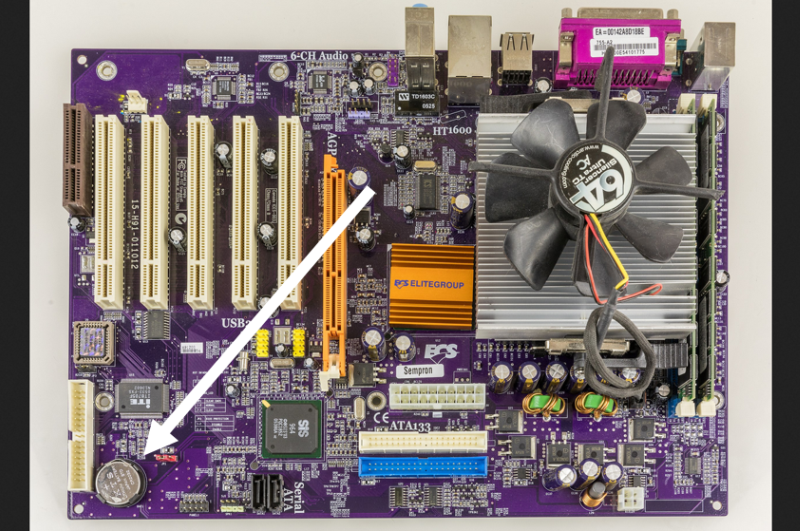
Provisions in the pipeline mandate that ‘penny’ button battery compartments on new devices require a coin or tool to open them. We wrote this post to encourage parents to insist on compliance when purchasing new devices. And to inspect their existing equipment, and take appropriate action where this protection is absent. Both new and used button batteries have sufficient electricity to cause serious, even fatal injury when ingested.
More Information
Honey After Swallowing Button Batteries