We have been exploring chronic fatigue in previous articles, lingering long after a COVID infection has passed. Therefore, we now know this may affect middle-age people who were not hospitalized previously, and may even be asymptomatic. In a recent post, we learned fragments of the virus may travel from the nasal cavity to the brain. Let’s explore those reserves of chronic COVID fostering fatigue, and discover what we can learn.
Pathogens Lingering Beyond Reach of Immune Systems
Amy Proal is a microbiologist investigating root causes of chronic inflammatory diseases at PolyBio Research Foundation. Therefore, she is on topic to our theme for today. She explained to BBC’s correspondent Melissa Heightman how small amounts of pathogens linger beyond the reach of the immune system, in remote pockets of the body.
She calls these ‘reservoirs or anatomical sanctuaries’ that are at least partially responsible for a whole range of post-infectious syndromes. Moreover, some neurotropic viruses can even burrow into nerves. ‘But this is not a new phenomenon only related to COVID,’ Amy Proal insists.
‘There’s a huge amount of studies, which have been neglected by the mainstream medical community. And these show how infectious organisms can persist in tissue, and contribute to disease processes.’
Oft-Misunderstood Reserves of Chronic COVID Fostering Fatigue
Some doctors may be ahead of science when they attribute fatigue and other post-infectious syndromes to psychological factors. They also need to learn to consider the latent effects of a pathogen still causing harm somewhere in the body, Amy Proal believes.
Ebola virus has already revealed the capacity of viruses to linger in the body for months, and sometimes even years. Scientists have found others lingering throughout the body, from the eye to the lymph nodes. And even in body fluids like breast milk and semen.
Therefore, there’s good reason to suspect reserves of chronic COVID fostering fatigue in bodies of recovered patients too. These may or may not be able to spread the infection. However, it now seems likely they may contribute to the long COVID syndrome.
Related
Clue to Long Term COVID May Lie in the Brain
Numbing Effect of Enduring COVID Fatigue
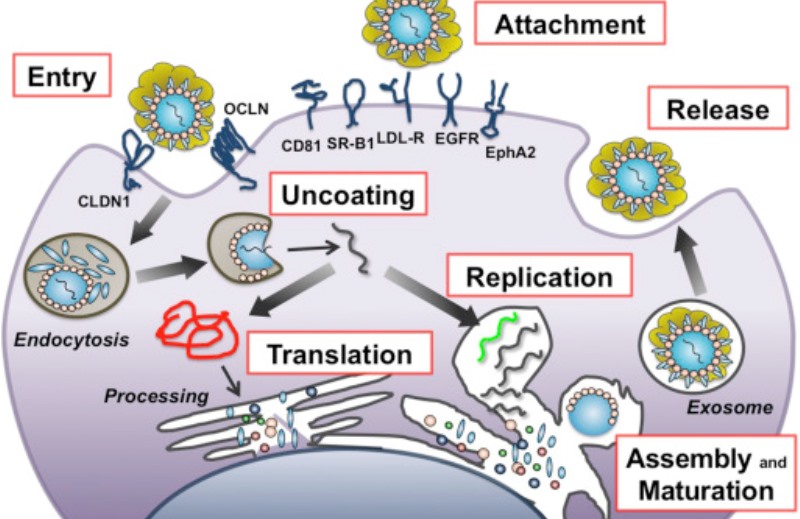
Preview Image: Transducing a Viral Signal