We do not recommend you have more battery banks on board than you absolutely must. Space is at a premium on small craft, and lead acid batteries need some space around them in ventilated compartments. Most family-size boats on weekend cruises can get away with two right-size battery banks. That is one for the starter motor, and one for all the other electric loads.
Why You Need Two Battery Banks on Board
It makes sense to instal an emergency switch so you can use either marine battery bank for starting. That said, it is also logical to separate the two under normal operation.
With two separate battery banks on board your electronics should not experience voltage transients when starting. This removes the risk of critical equipment like your global positioning falling over.
How to Switch Between Battery Banks When One Is Down
An electrician with the knowledge can install a switching system on your boat. If you have one, not two functional battery banks on board that are working, you can isolate your accessories. After you use the working bank to start the motor, you can switch across to your other electric loads. This gives you the best of both worlds, but this is not ideal.
Why You Need Two Battery Banks in an Emergency

Safety dictates a separate full-charged battery set to start the motor urgently in an emergency. For example, you could be drifting towards an obstacle that could damage your boat.
The power burst to operate a starter is of relatively short duration. By the time you have left the harbor you have probably replenished the charge.
Conversely, if we use a single battery bank the charge could run down on cloudy / windless days without us noticing. We are aiming for lower depths of discharge because this makes our batteries last longer and we save money from extended battery life. These are some of the reasons why two battery banks on board make a deal of sense.
Related
Charging Lead-Acid Battery Banks
Run Time of a Battery & How to Calculate It
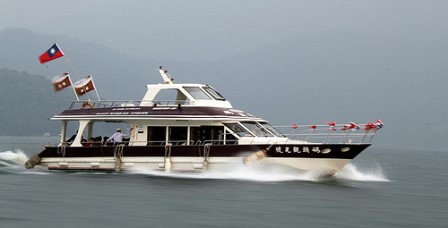
Preview Image: Speedboat