If there’s a competition for the least likely inventor of an electrical device then Samuel Morse, born 1791 would be a good horse to back. He was a successful artist in the classical school, and painted many portraits of famous politicians as dreams of an independent America emerged. Then something happened to cause him to change the way news traveled forever.
A Day in the Life of Samuel Morse and Marquis de Lafayette
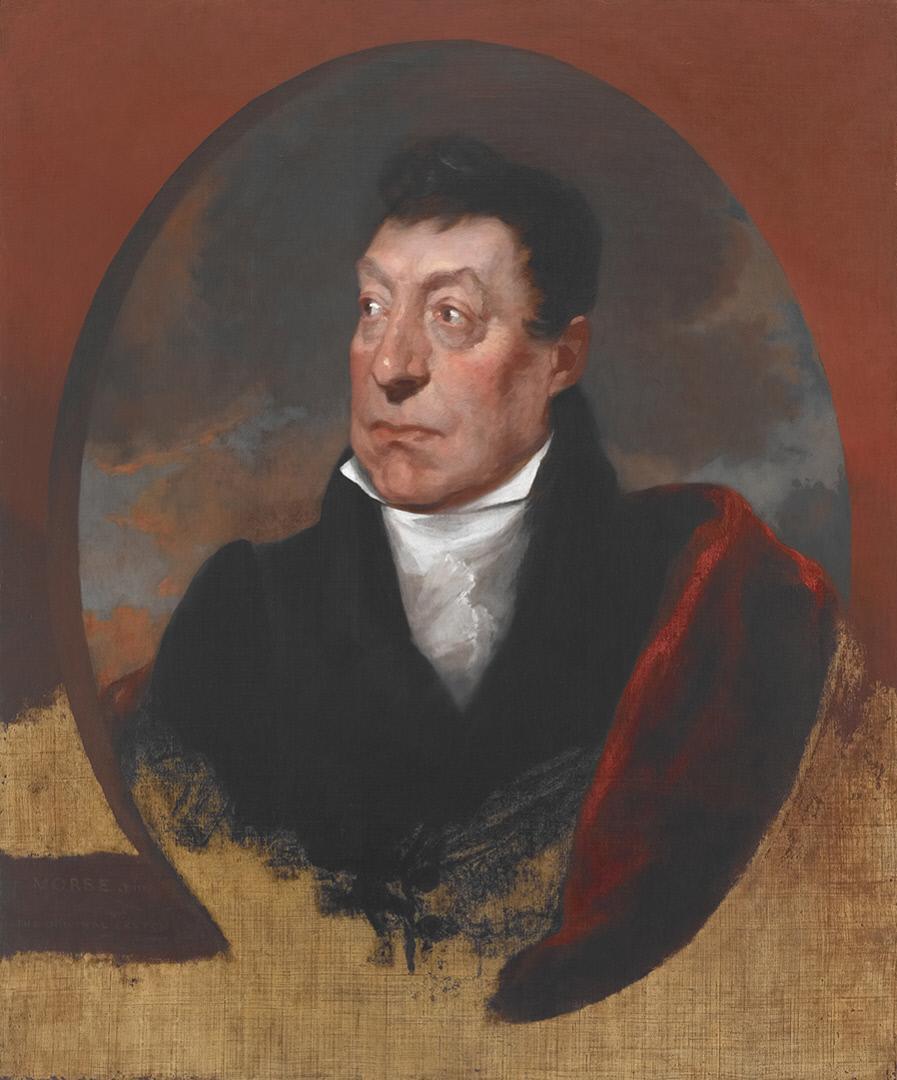
Samuel Morse obtained a commission to paint a portrait of Marquis de Lafayette in 1825. Lafayette was a French soldier-aristocrat who commanded American troops at the Siege of Yorktown.
A message arrived by horseback while he was engaged in his task. It read “Your dear wife Lucretia is convalescent”. The next day he received another message from his father detailing his wife’s sudden death. Samuel Morse put his paints and brushes to one side and galloped through the night to his home. His father had already buried his wife and Samuel plunged into grief. Then he made a decision that changed the world.
There Had to Be a Better Way to Send Messages
Samuel Morse already had more than a passing interest in electricity having attended lectures while studying religious philosophy and mathematics at Yale.
He wrote to scientist Charles Thomas Jackson who explained the properties of electromagnetism to him.
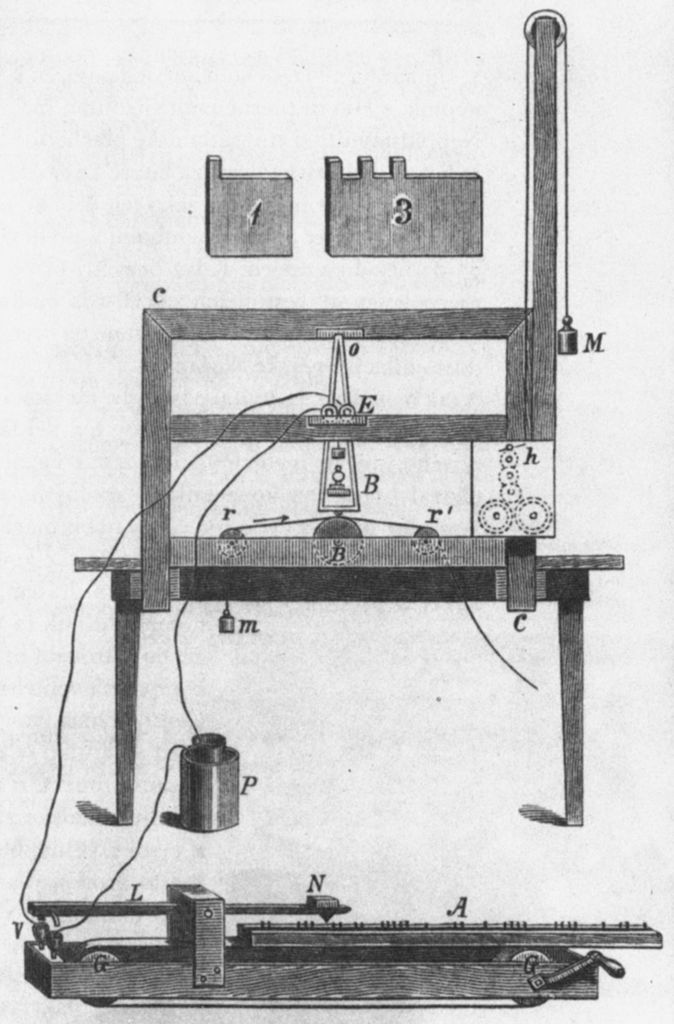
He now understood how information sent via copper cables travels instantaneously over great distances. Samuel Morse now had what he needed to patent a single wire telegraph in the US in 1832.
His was not the only such device. However, his unique contribution was the Morse Code he developed in conjunction with Alfred Vail.
The first message they shared in 1838 was “A patient waiter is no loser”. Or more accurately, .- .–. .- – .. . -. – .– .- .. – . .-. .. … -. — .-.. — … . .-. if we got our Morse Code right.
Related
Monsieur Callaud : Mysterious Frenchman
Make a Telegraph with a Nine-Volt Battery
Preview Image: Lucretia Pickering Morse