Flow batteries have a great advantage because they are organically modular. This makes it simple to upscale, or downscale them simply adding or removing tanks. Sizeable applications suit flow batteries because they can grow with systems. Or reduce in size as a project phases out.
Seasonal Applications Suit Flow Batteries Perfectly
Flow batteries can also completely discharge for a long time, without any negative impacts on their infrastructure. Even if the electrolytes accidentally intermingle, there is no permanent damage. Hence they have distinct advantages over conventional batteries, including lithium-ion cells:
- There is no time-based degradation, and almost unlimited longevity.
- Flow batteries store energy far longer, meaning delayed replacement.
However, Flow Batteries Do Have Limitations
Sensitive environments also suit flow batteries better, because they are non-flammable reducing the risk of fire. However, they do have several counter-balancing disadvantages:
- Flow batteries contain vanadium, meaning their oxides are toxic.
- They are heavy and voluminous, limiting them to stationery applications.
How Flow Batteries Work in Principle
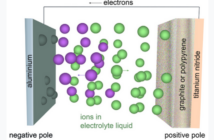
Redox flow batteries, which are of particular interest take their name from a chemical reaction. That’s because they use oxidation to store energy in liquid electrolyte solutions. And the solutions flow through electrical cells during discharging and charging.
- Electrons release as a result of this oxidization during discharging.
- However, this processes reverses when the electrolyte is recharged.
Practical Uses for Redox Flow Batteries
Demand for bulk stationery storage is increasing, as climate change bites. Sizeable applications that suit flow batteries include stabilizing electricity grids. But they also deliver sterling service to factories and office buildings during power outages, or for secure uninterrupted power supply especially in rural areas.
More Information
Flow Batteries Boost NZ Rural Telecoms