Soap is the best way to wash the virus way. Although the ancients of Babylon may not have known that, after they evolved the compound around 4,300 years ago. In fact, historians believe they were initially more interested in degreasing their wool for weaving. And the blend of animal and vegetable oil, and alkaline salts did the trick.
Why Soap Is the Best Way to Wash the Virus Away
The Ancient Egyptians may have not known it as their bathed their Pharaohs, but their soap was a remarkably clever compound. That’s was because the lead element was hydrophilic, meaning it liked mixing with water according to UC Health. While the ‘sting in its tail’ was hydrophobic, meaning it liked mixing with oils and fats too.
This characteristic allowed their soap (and it still does) to dissolve fats and oils in water. In other words to dislodge the body fats and oils on their Pharaohs’ skins, and rinse them clean.
And That, In a Nutshell Is How You Kill The Coronavirus
The coronavirus, SARS-Cov-2 causing the COVID-19 disease, uses a fatty layer surrounding it as its primary defense. Strip that layer of fat away, and becomes inactive and dies.
However, it does take around twenty seconds for soap and water to achieve this goal during hand washing. And the soapy water must penetrate every fold, crinkle and wrinkle in our skin to the job properly.
It stands to reason soap and water are the best way to wash the virus away, when we do it correctly. Centers for Disease Control recommends alcohol-based hand sanitizer that contains at least 60% alcohol, only if soap and water are unavailable. But we must also rub the gel over all the surfaces of our hands, and fingers for around 20 seconds for it to work.
Related
Learning to Smell Again After COVID-19
Where Do Unused COVID-19 Vaccines Go?
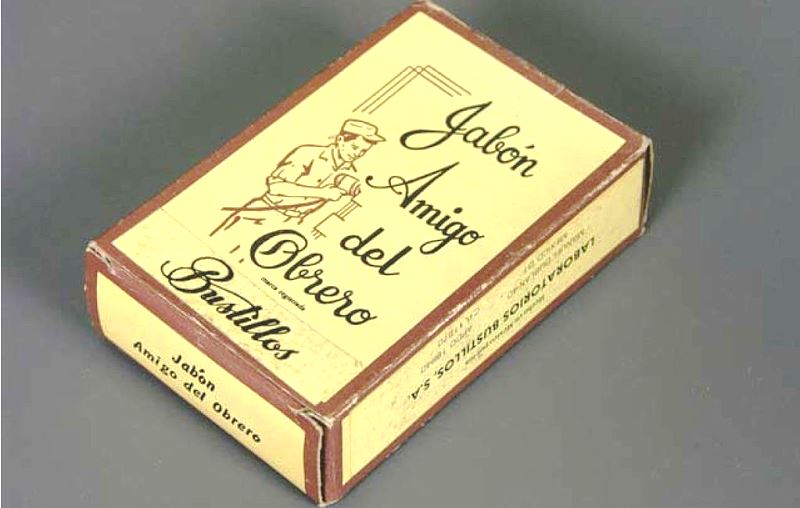
Preview Image: Amigo del Obrero Soap