There appears to be no longer any doubt that sodium-ion technology could upend the global battery industry. The Conversation has added its voice to the chorus predicting an imminent sodium-ion battery revolution. We review all the facts at our disposal, and reach the same conclusion.
We Must Have Safe, Affordable Battery Storage
Renewable energy has become a non-negotiable weapon in the struggle against global warming. But wind and solar are variable, unpredictable, and capricious. Therefore, we need to store their energy when it is available, so we can draw it around the clock as it suits us.
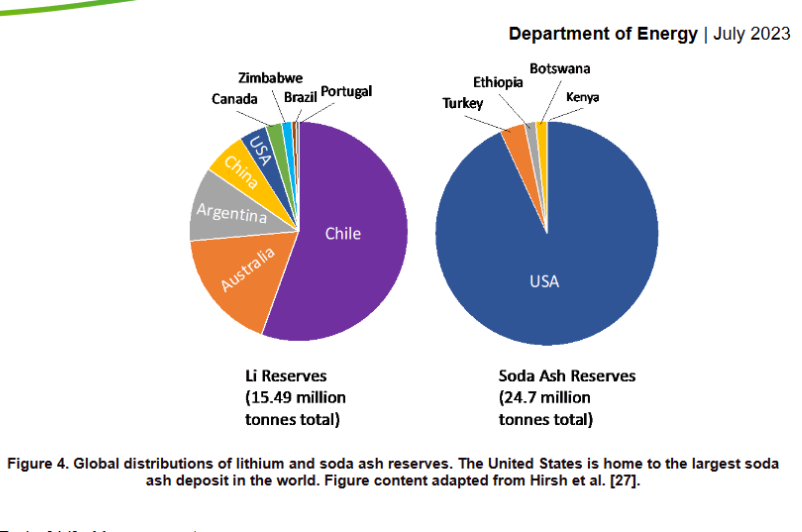
Lithium-ion batteries are currently our best available option in mass-produced commercial form. However, they trip over two hurdles in our race to beat climate change. There are two reasons why we say this. In the first instance, the metal is expensive and not universally available.
But the second reason is even more compelling. Lithium metal is unstable with a growing trail of battery storage fires. It simply does not make sense to embed this risk in something as fundamentally important as electricity generation and distribution.
Why a Sodium-Ion Battery Revolution Makes Sense
Sodium-ion technology is becoming the obvious solution. We would solve the two main reasons to move on from lithium-ion, by simply replacing lithium-ion battery cathodes with sodium-ion versions. This would involve a change in the active material, not a major factory re-tooling!
A recent Massachusetts Institute of Technology review confirms this thinking is moving in the right direction. Their document confirms that sodium-ion battery storage will soon match the cost of using gas peaking stations, or lithium-ion phosphate batteries.
And moreover, both China and European Union have active plans to roll out the sodium-ion battery revolution, by constructing ‘large-scale manufacturing facilities in the near future’. We shall continue to keep our eyes on these trends, and report in here on new developments.
More Information
Sodium-ion Battery Storage Lift-Off in China