Nature and the way it works has inspired and continues to inspire humans with inventions to mimic it. If we can’t do it, we make it! We wanted to dive deeper? we made ourselves fin-like shoes. How to sail? we invented boats inspired by sharks. We wanted cat like eyes, we made eyeliner. Don’t quote me on that last one…In any case, you get the point. We like copying nature and its ways and we are very grateful for how intelligent it is.
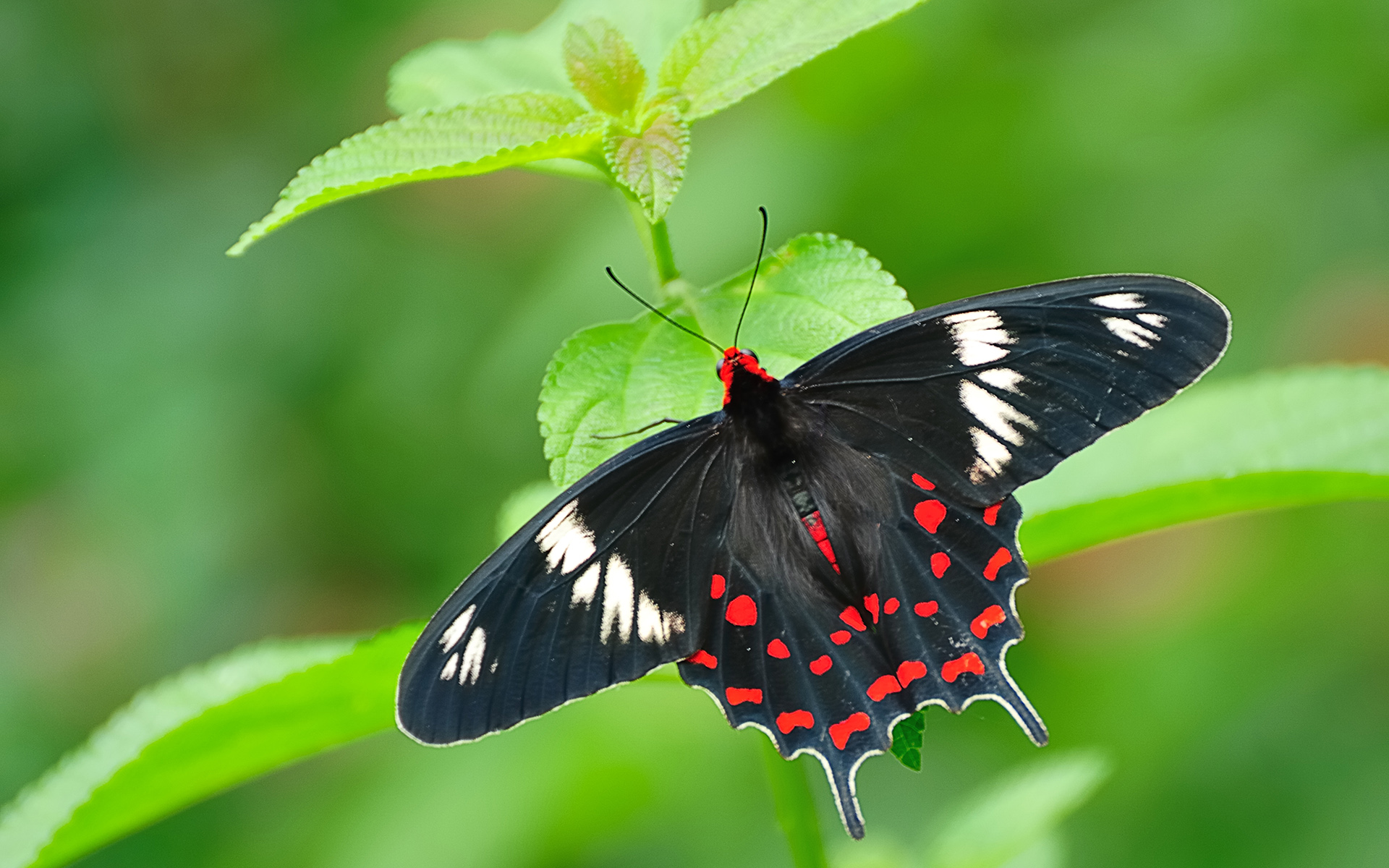
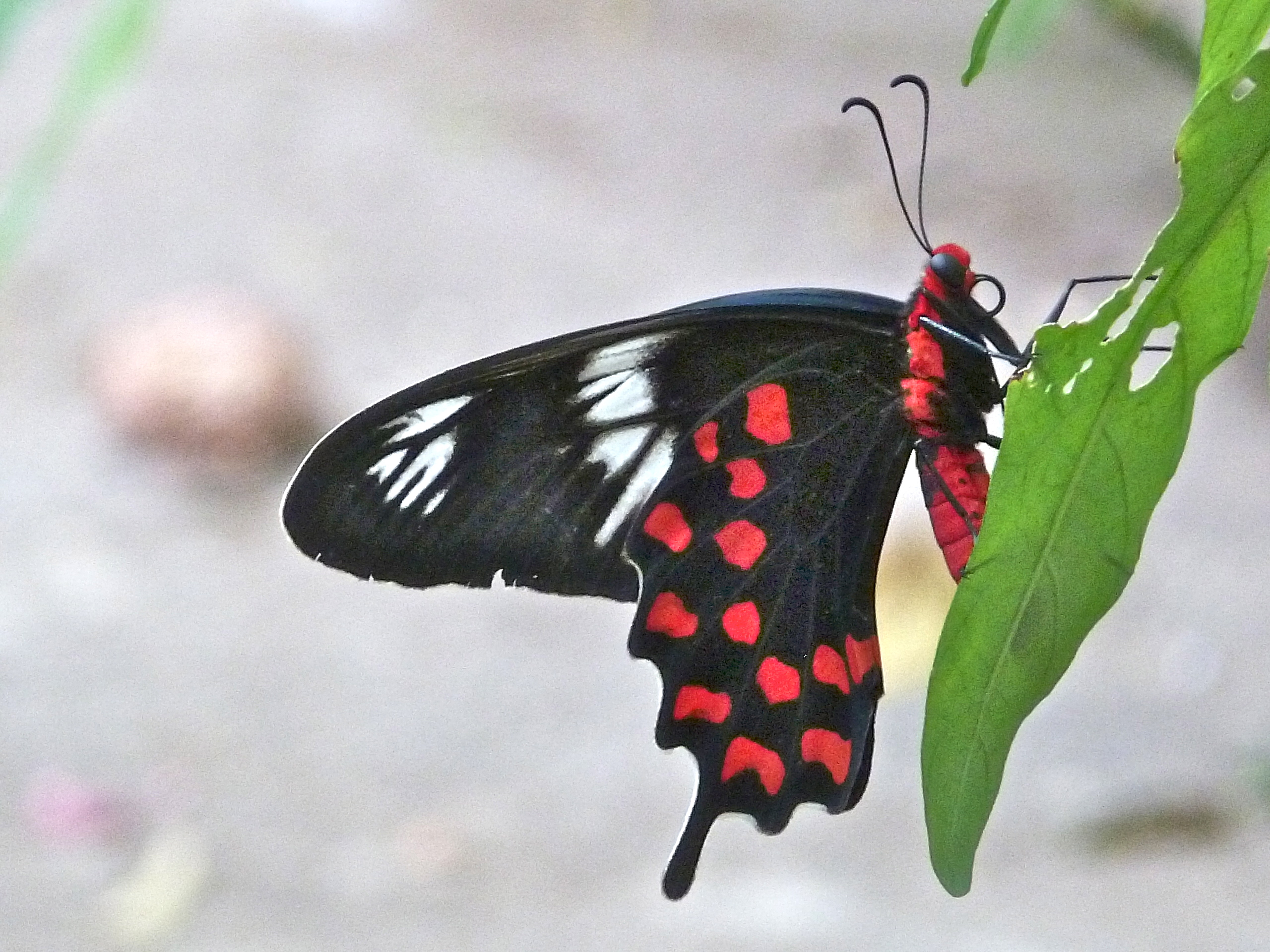
Now, let me get to our latest inspiration which seems to be that of the Crimson Rose Butterfly. What has it inspired you ask? Well, Engineer Radwanul Siddique claims that it has inspired him and his team to make more efficient solar cells for our solar panels.
Similar Nano-structures
Butterflies have really thin nano-structures that are uniquely designed in a way that allows them to reflect and absorbs light to give them specific colors. This design is made up of tiny holes within the wings that allow for more light to be absorbed. For Crimson Rose butterflies, this means darker black wings.
After examining the structure of the Crimson Rose butterflies under a closer lens, Siddique and his colleagues made a conclusion. They decided to make solar cells that used that same structure of thin layers with holes inside. The results? These solar cells allowed the solar panels to store and receive three times more sun light!
The Secret?
Solar panels usually have to be facing the sun directly in order to work the most efficiently. However, with the little holes design, the panels can absorb more sun when angled so it makes them more practical and means great things for home owners with solar panel roofs!
Making the wholes is a pretty easy and cheap process as well. Adapted from how the Crimson Rose butterflies do it (by combining certain proteins), Siddique developed an artificial process that can be applied to the solar cells. Thus, nothing is stopping this invention from flourishing except some time!
To read about Siddique’s research in more depth, check out his research report: http://advances.sciencemag.org/content
Thanks for reading! What do you think of this new research? Let us know in the comments below!
Related:
How CO2 Might Be The New Ethanol