Sixty years ago, South African school teachers told kids there were enough fish in the sea to feed the world. And indeed many small coastal communities went out in rowing boats to catch them. Now scientists say South African climate change is driving them away, and they won’t be back unless the situation improves.
How Marine Life Is Adapting to South African Climate Change
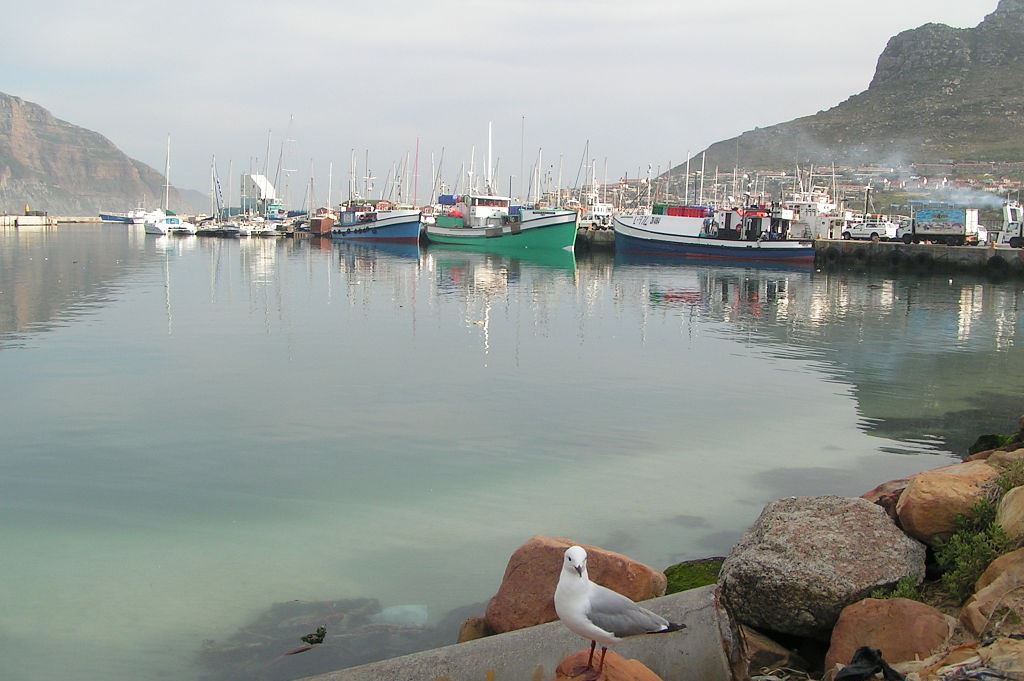
Bobby Jordan, writing for Sunday Times News and Environment lists numerous examples where fish and marine life are adjusting. He cites an impending Department of Agriculture, Forestry and Fisheries report out on review.
This will be the first definitive statement of how South African climate change is affecting the country’s territorial waters. Fish stocks have already taken a hammering from poaching by foreign fishing fleets. Now, local fisherman will have to cope with an eastern shift of anchovy, sardine, and herrings ongoing since the mid-1990’s.
Tourism Will Take a Knock in an Already Cash-Strapped Country
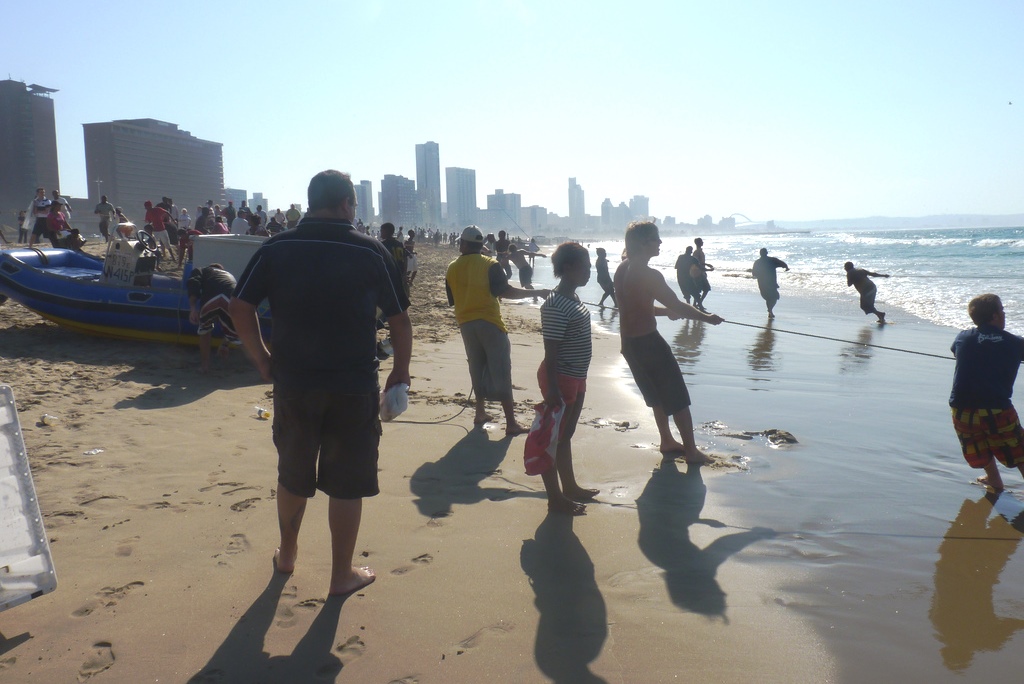
The annual sardine run has been a high-point on the Durban calendar for half a century. However, mid-winter temperatures must drop to 18ºC / 64ºF to benefit from areas of cold water upwelling. Therefore the silver fish may no longer arrive in large shoals. Furthermore, increasing algae blooms (red tides) could cause massive walkouts of west coast rock lobsters.
However, there is more bad news for artisanal line anglers than tropical and subtropical fish moving far to the south. Increasingly, windy conditions off Cape Town could reduce the number of fishing days sufficiently to take food off their tables.
Researcher Johann Augustyn warns of changes anticipated in fifty years’ time happening within twenty. One of the authors of the report, Carl van der Lingen explains. “There is a lot of evidence showing that species’ distributions have changed, usually because things are warming.
“None of us is sufficiently convinced that this [is]unequivocally climate change induced.” However I would say it is likely South African climate change is at least partly behind it.
Related
Climate Change and the Harsh Consequences
Climate Change Evidence: Great Barrier Reef
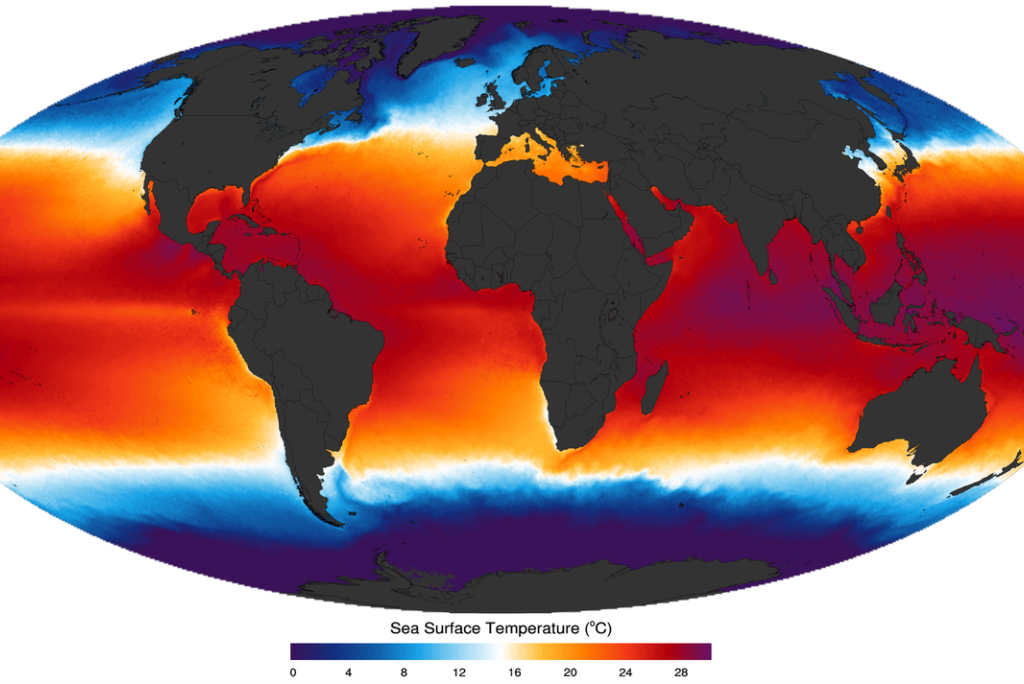
Preview Image: Sea Surface Temperature 2003-2011 Average